Products
Case studies
Industries
Resources
I’m an Influencer
17 min read


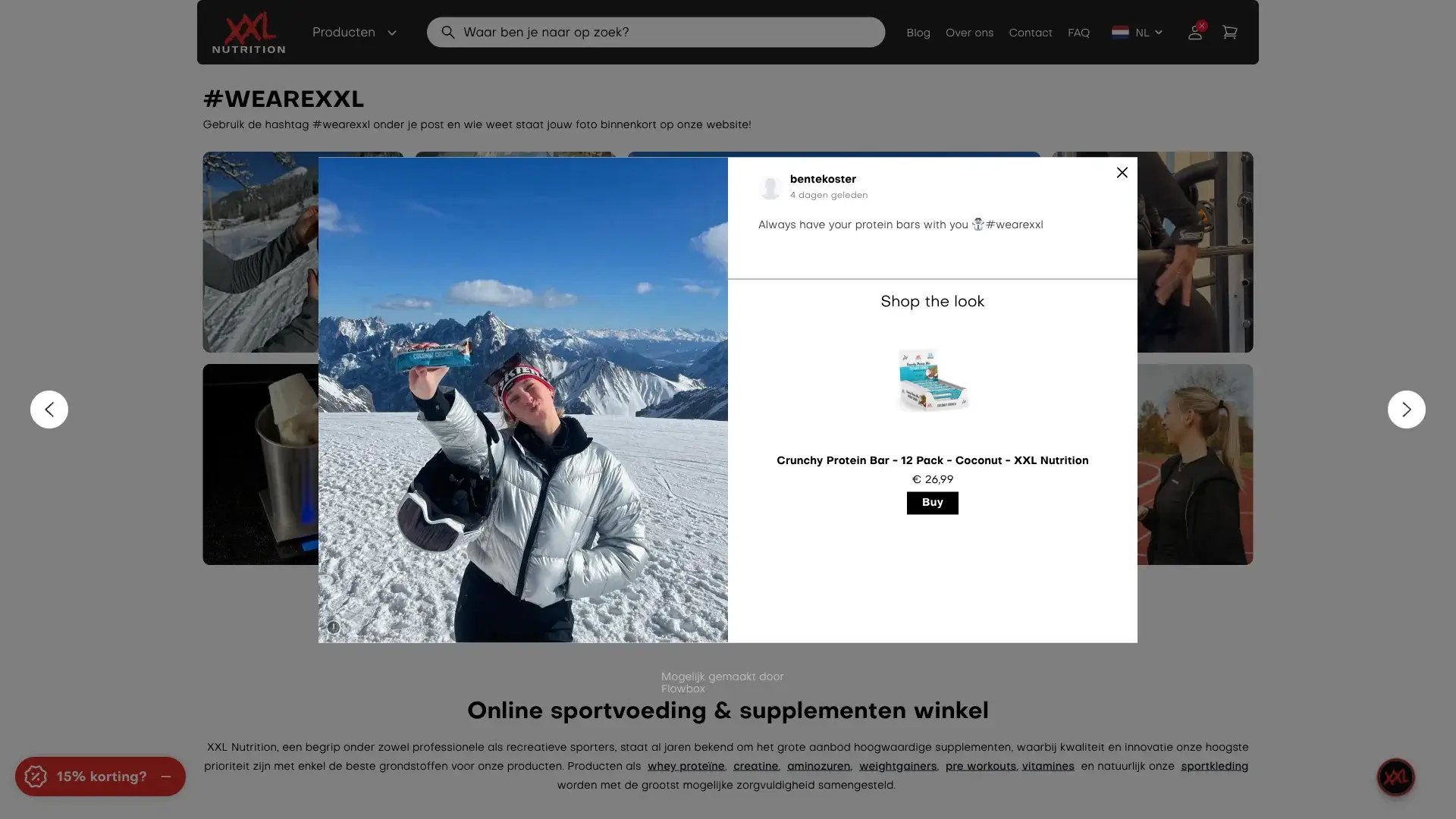
Table of Contents
Brand ambassadors have become essential storytellers and advocates for brands through user-generated content that resonates with their audiences. They don’t just promote products; they embody the brand’s values, creating authentic connections with customers and communities.
Through long-term partnerships with ambassadors, brands can build trust, increase visibility, and turn loyal supporters into influential voices that amplify their message.
In this article, we’ll discuss what brand ambassadors are, the different types, the benefits of collaborating with ambassadors, how to find them, and the tools you need to efficiently manage the collaborations.
Brand ambassadors are individuals who endorse and promote a company’s image and vision through the content they generate for their community. Their role is to enhance brand awareness and help drive sales.
Companies usually maintain long-term relationships with brand ambassadors and carefully select them because their values, personality, and image closely align with the brand’s values and target audience.
Brands hire ambassadors as they work as the bridge between a brand and their clients. Through their product knowledge and authentic communication, brand ambassadors help to increase brand loyalty. By consistently representing the brand and building strong connections with both the company and consumers, they foster trust and help strengthen the brand’s reputation over time.
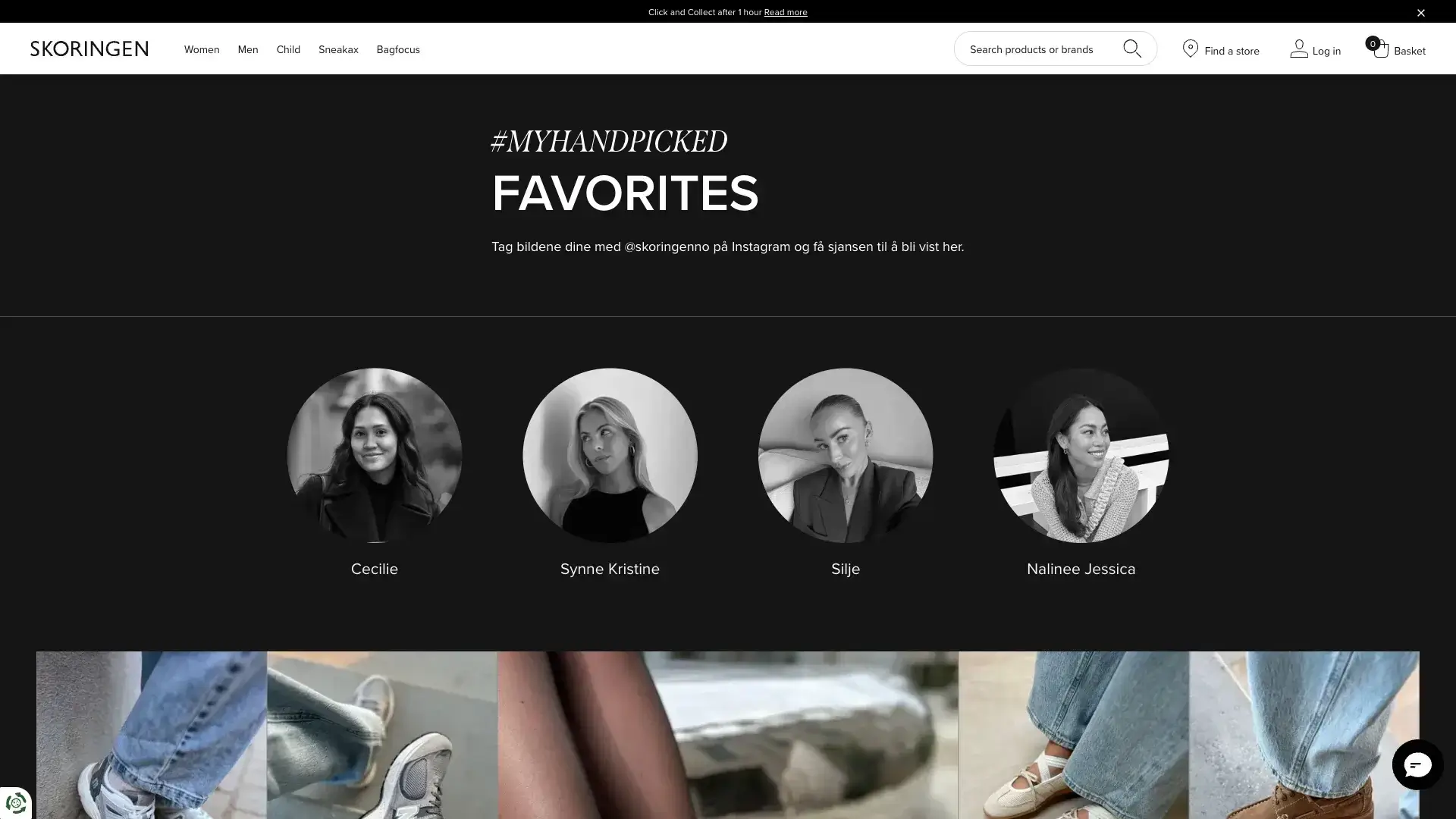
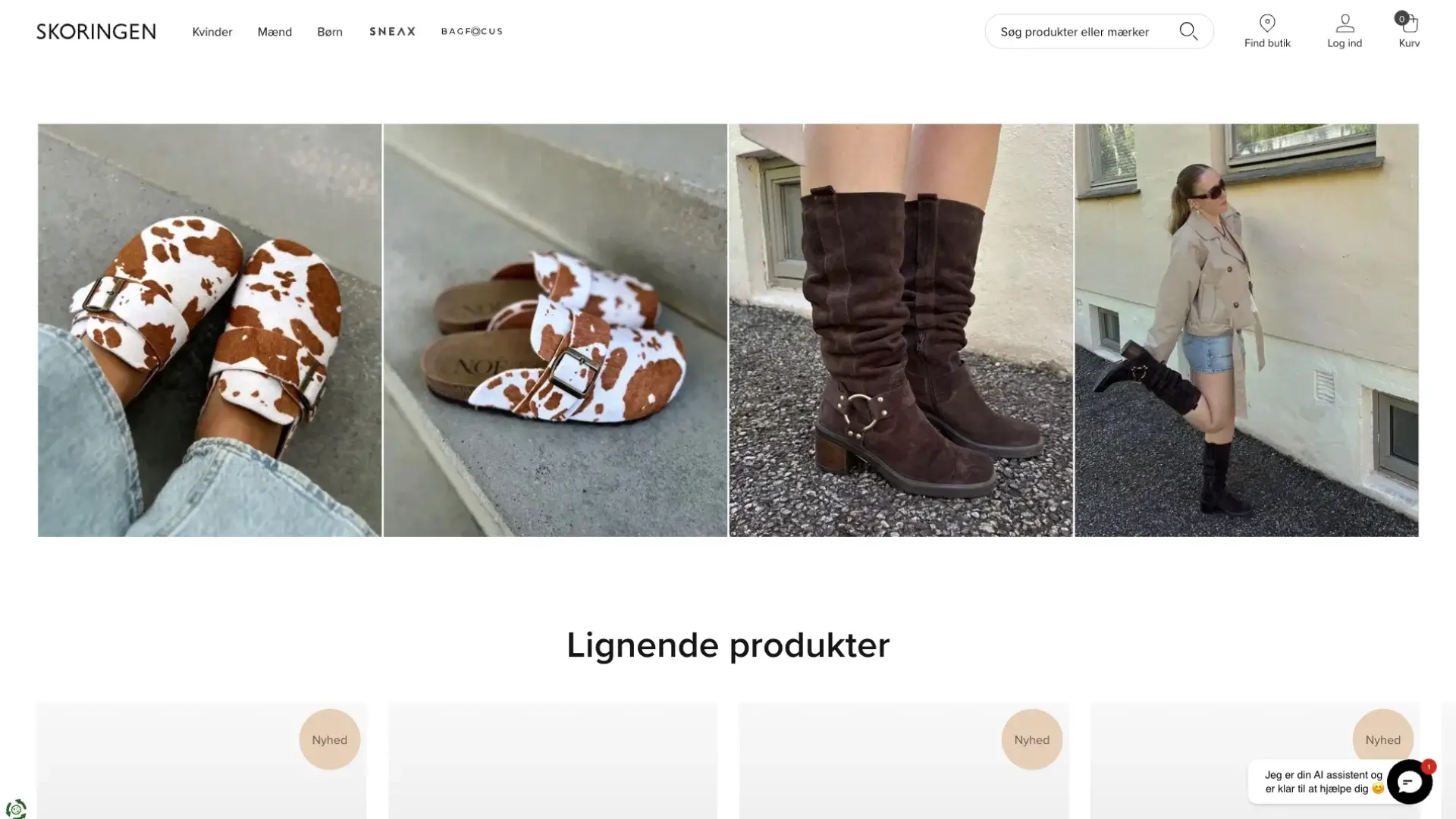
Skoringen is a prime example of how working with brand ambassadors can benefit your brand. They have a dedicated page on their website for ambassadors featuring the brand’s products.
Brand ambassadors support the brand’s marketing efforts by promoting products on social media and attending events, helping increase visibility and strengthen the brand’s image. Their in-depth knowledge of the brand allows them to create credible, engaging content that builds trust and influences purchasing decisions within their community.
Although these three types may seem similar and are often confused, there are key differences that distinguish brand ambassadors, influencers, and brand advocates, particularly in their roles, relationships with brands, and marketing impact.
Take a look at the following comparison to understand which one to choose for your brand’s collaborations:
| Aspect | Brand Ambassadors | Influencers | Brand Advocates |
| Relationship with the brand | Long-term, formal partnership | Short-term or campaign-based | Informal, organic relationship |
| Contract | Might have an exclusive contract | Non-exclusive contract | No contract |
| Compensation | Commissions, affiliate links, etc. | Payment/reward per post or campaign | No payment or reward |
| Content Style | Aligned with the brand, consistent | Creative | Natural |
| Audience Trust | High | Medium | Very high |
| Main Goal | Long-term brand image and loyalty | Brand awareness and reach | Trust, loyalty, and community building |
| Best Use Case | Building brand identity and credibility | Product launches and specific campaigns | Strengthening customer loyalty |
The role of brand ambassadors differs because brands choose them for long-term collaborations that focus on consistently representing their values and image. In contrast, brands usually hire influencers for short-term collaborations and for specific campaigns or product promotions.
As a result, influencers tend to have a weaker connection to the brand’s values compared to brand ambassadors. Learn more about influencer marketing strategy.
Brand advocates are loyal customers who promote a brand organically without formal agreements or financial compensation. For this reason, they offer the highest level of trust and authenticity, as their promotion occurs in a more natural and genuine way than influencers or ambassadors. Learn more about this strategy in our customer advocacy marketing article.
The good news is that you don’t have to choose between brand ambassadors, influencers and brand advocates, as their content complements each other perfectly. They serve different marketing purposes, and understanding what makes them succeed will help you choose the most effective strategy to achieve your brand’s goals.
Understanding the different types of brand ambassadors is essential for building a structured and scalable strategy. Not all ambassadors contribute in the same way: some drive credibility within tight-knit communities, others amplify reach through formal partnerships, and some influence purchasing decisions simply through authentic enthusiasm.
By identifying the specific role each type of ambassador plays, brands can align objectives such as awareness, trust, engagement, or conversion with the right ambassador model.
The following breakdown clarifies the main types of brand ambassadors and how their collaborations with brands function.
Peer advocates are everyday consumers of a brand who recommend it to people with similar interests or to those within their personal relationships. Their influence comes from relatability and trust, as they share genuine experiences with friends, family, or online communities.
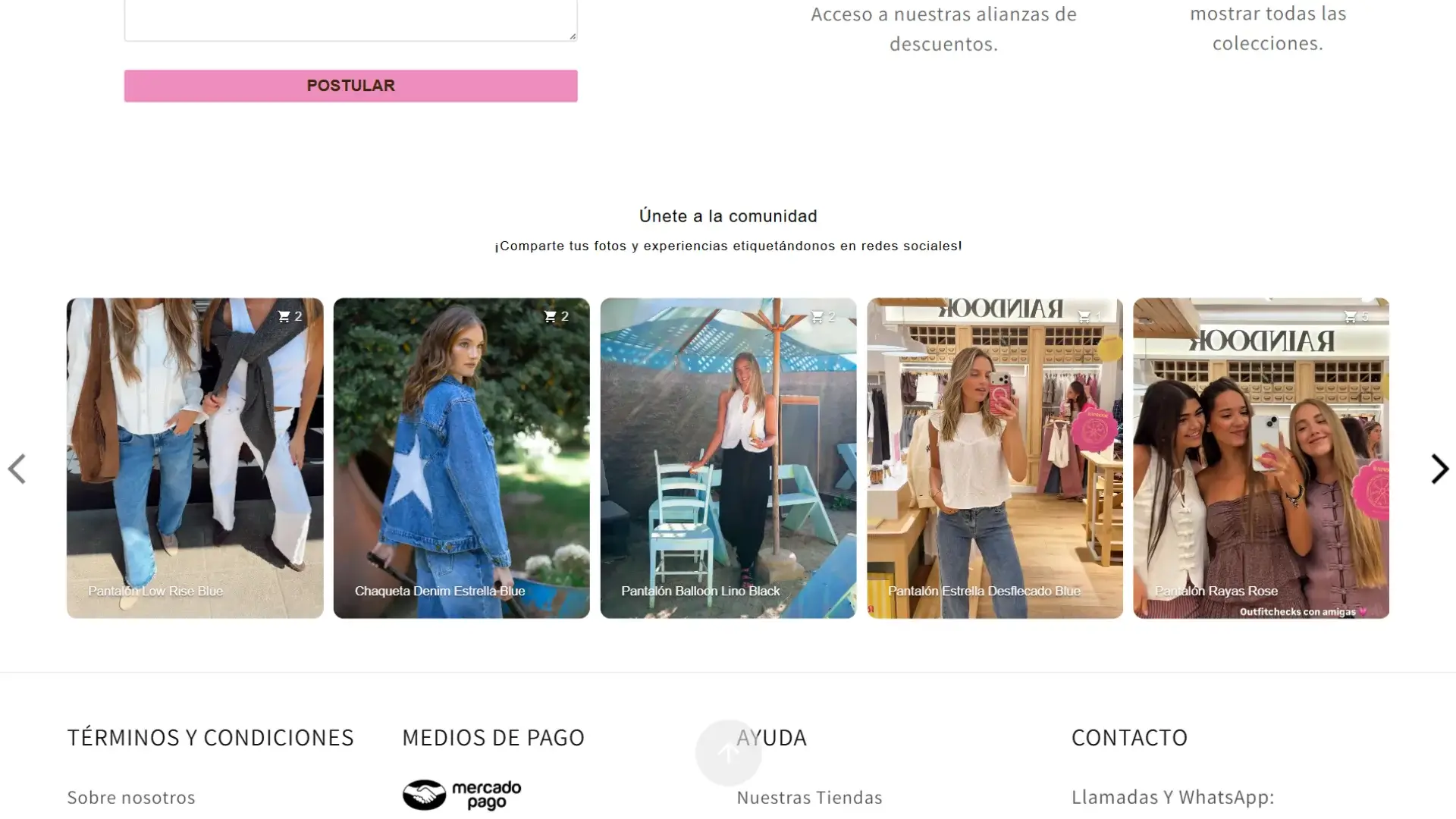
The Chilean fashion brand Raindoor showcases peer advocates that users can relate to in a dedicated ambassadors page. The page includes a UGC gallery with content generated by their ambassadors, along with a form for potential ambassadors to join the brand’s programme. Each post in the UGC gallery is shoppable, linking directly to the product page.
Niche authorities are individuals with deep knowledge and expertise in a field closely related to the brand. Their recommendations carry credibility because they are seen as knowledgeable and reliable sources within a particular industry.
Pink Gellac has a shoppable gallery on their homepage that showcases nail artists’ work. Who better than a nail professional who knows about the topic to recommend their products?
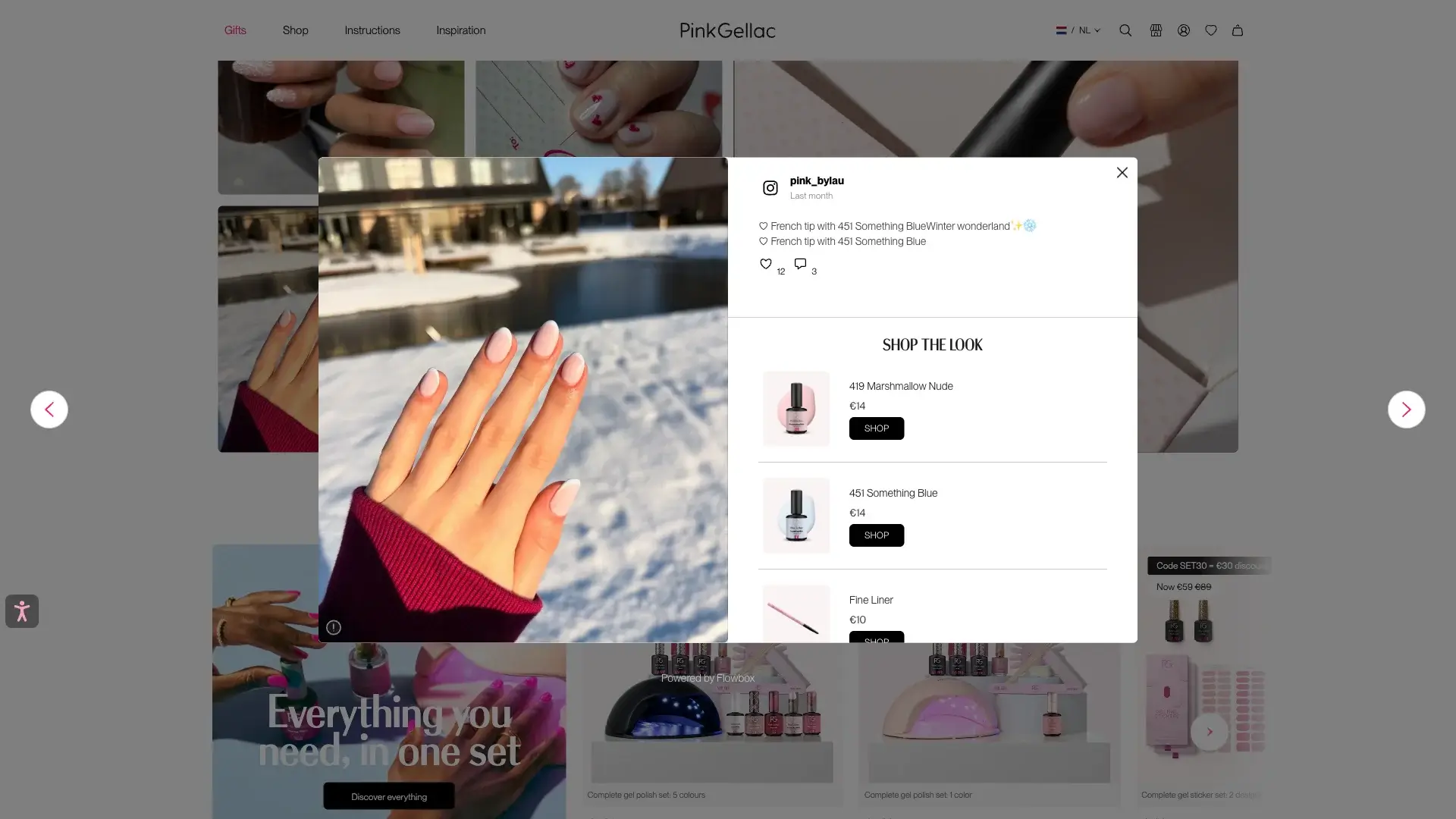
Flowbox has made it much easier for Pink Gellac to manage user-generated content across their channels. Before, gathering, organising, and sharing UGC was a slow, manual process spread across emails, DMs, folders, and tools.
Now, everything happens in one place. The team can easily collect customer content, send rights requests, tag products, and publish UGC to their site or social media—all from a single platform. Read the full case study on how Pink Gellac benefits from UGC.
Experiential or event ambassadors specialise in representing the brand at events, product launches, or promotional activities. Their role focuses on direct interaction with consumers, creating memorable brand experiences, and building and strengthening emotional in-person connections.
Formal brand ambassadors have an official, long-term agreement with the brand. They consistently promote the brand across different platforms and strictly align their content with the brand’s values, messaging, and image.
Skoringen works with ambassadors under long-term agreements, ensuring lasting collaborations and a consistent brand presence.
Informal ambassadors promote the brand naturally without a formal contract. Their advocacy is organic and often driven by personal satisfaction with the brand rather than financial incentives. Most of them receive a unique code or link, and every time someone uses it, they are rewarded.
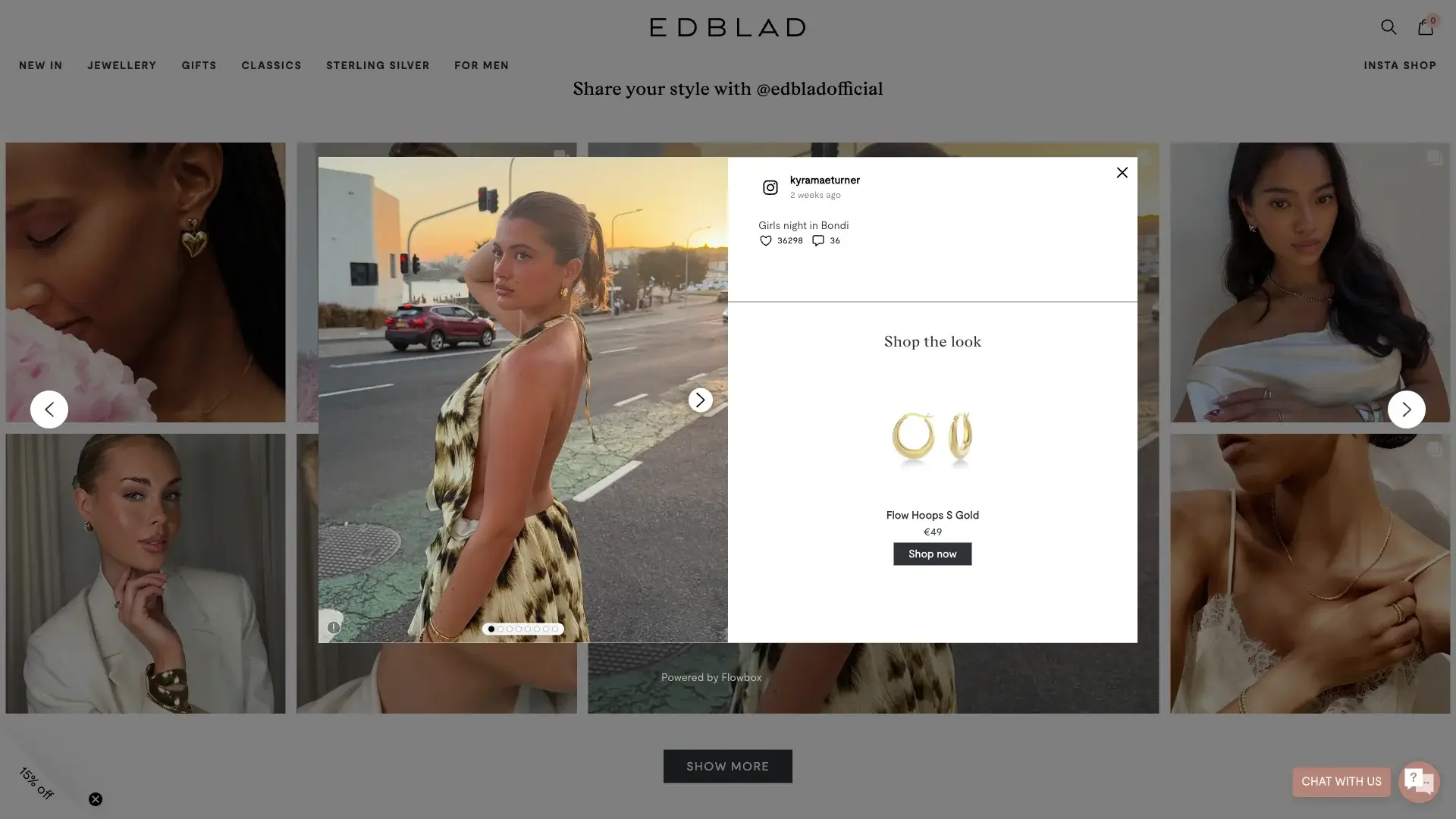
Edblad collects content from their consumers and displays it on the homepage. This helps create organic brand ambassadors who don’t necessarily have an exclusive contract with the brand but are constantly sharing content featuring the brand’s products.
Enthusiasts are highly passionate users of a brand who actively share their positive experiences. Their strong emotional connection leads them to promote the brand voluntarily, contributing to authentic word-of-mouth marketing.
XXL Nutrition encourages its fitness enthusiasts to post photos on social media that the brand can share on their community page to build trust with new audiences while reinforcing credibility among existing customers.
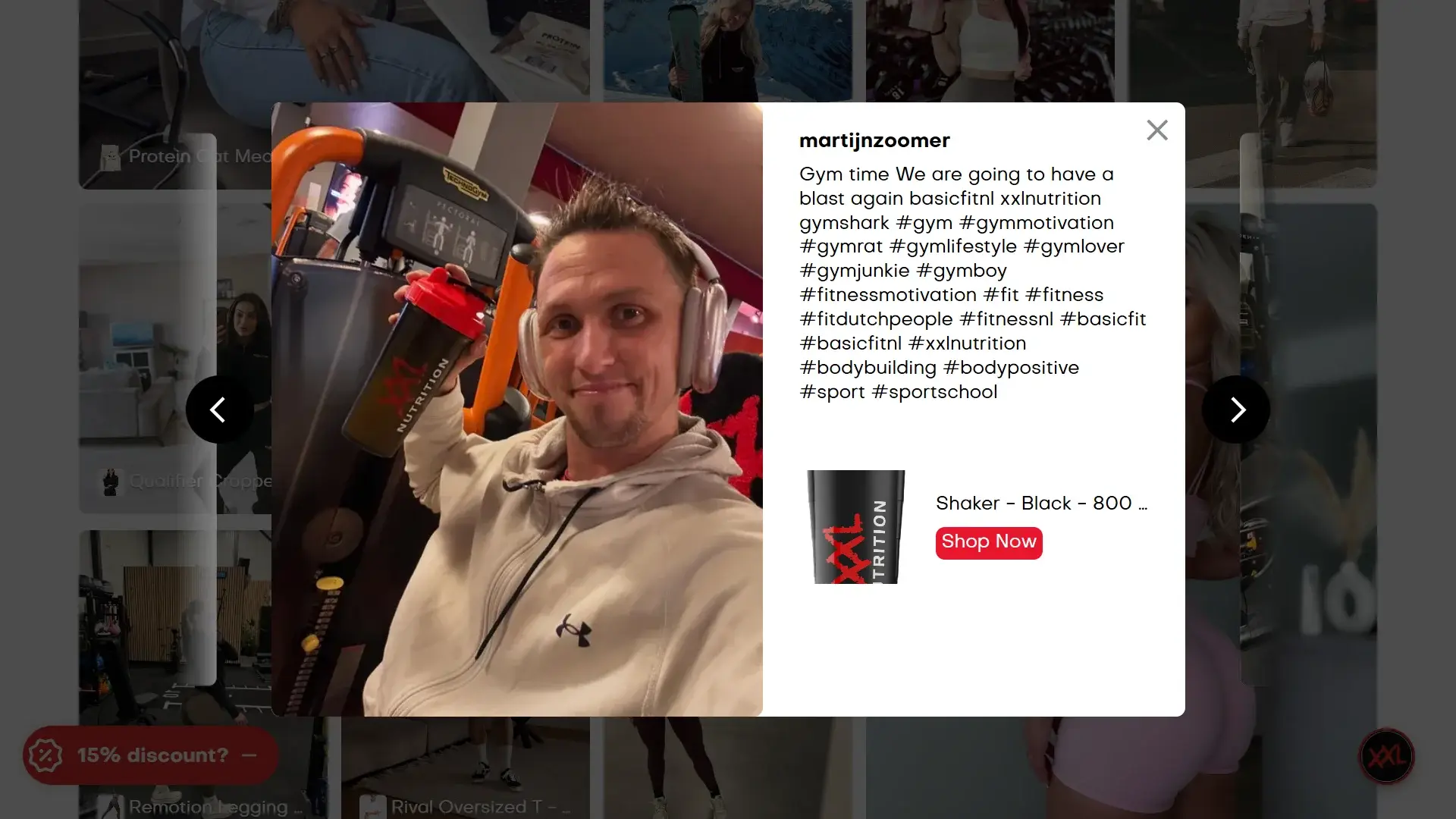
By working with Flowbox, XXL Nutrition can enhance the user experience on their eCommerce site and provide social proof, ultimately leading to increased sales. Read the full case study on how XXL Nutrition benefits from UGC.
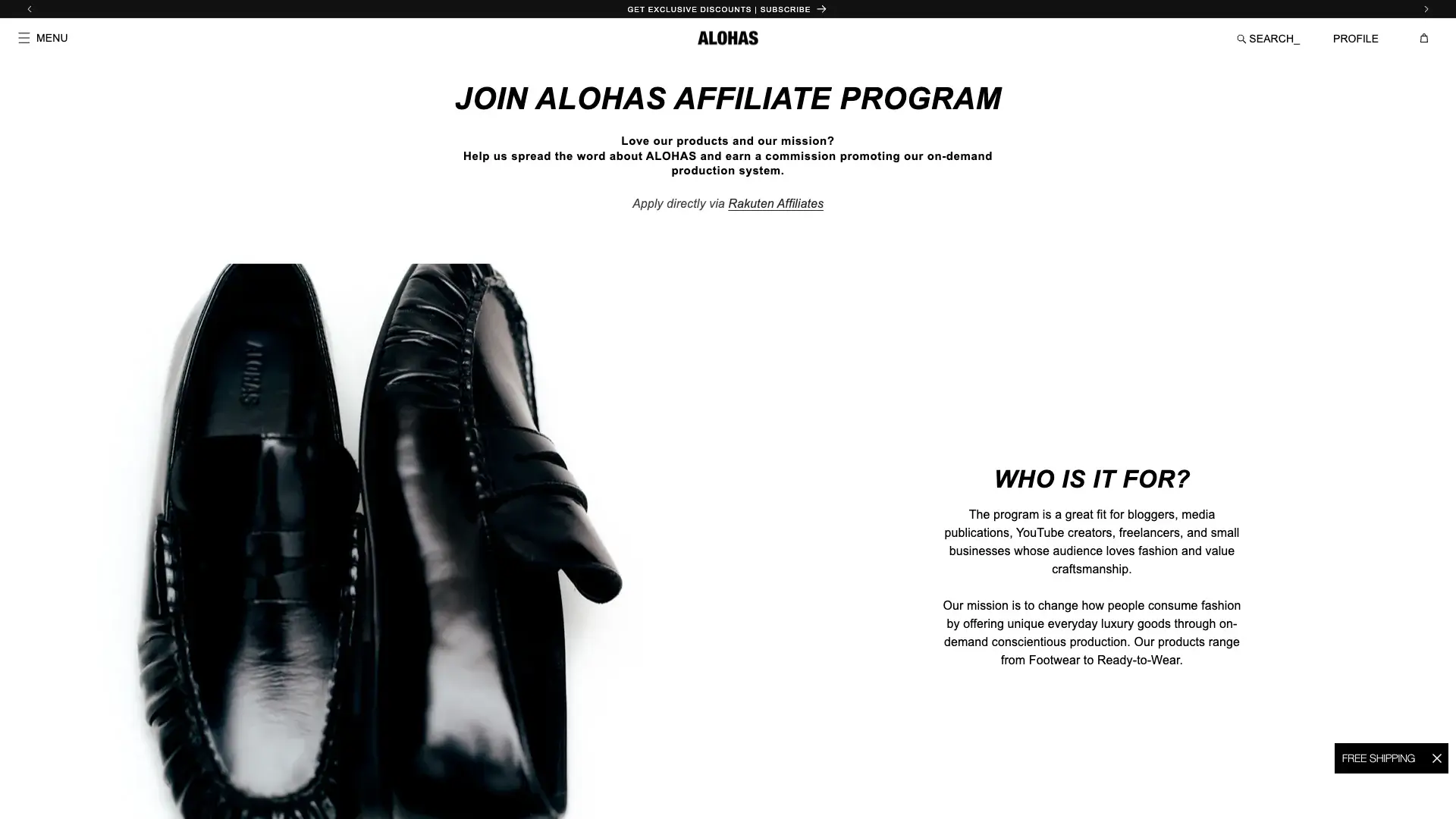
Affiliate ambassadors have a discount code or link to earn commissions. They share authentic content that demonstrates their real use of the brand’s products and encourage their audience to make purchases using the provided link or code.
Alohas is a clear example of an affiliate ambassador program. They have a gallery on their homepage and also a page where you can easily join the program for affiliates, where they specify exactly what they request and the results of using affiliates for their brand.
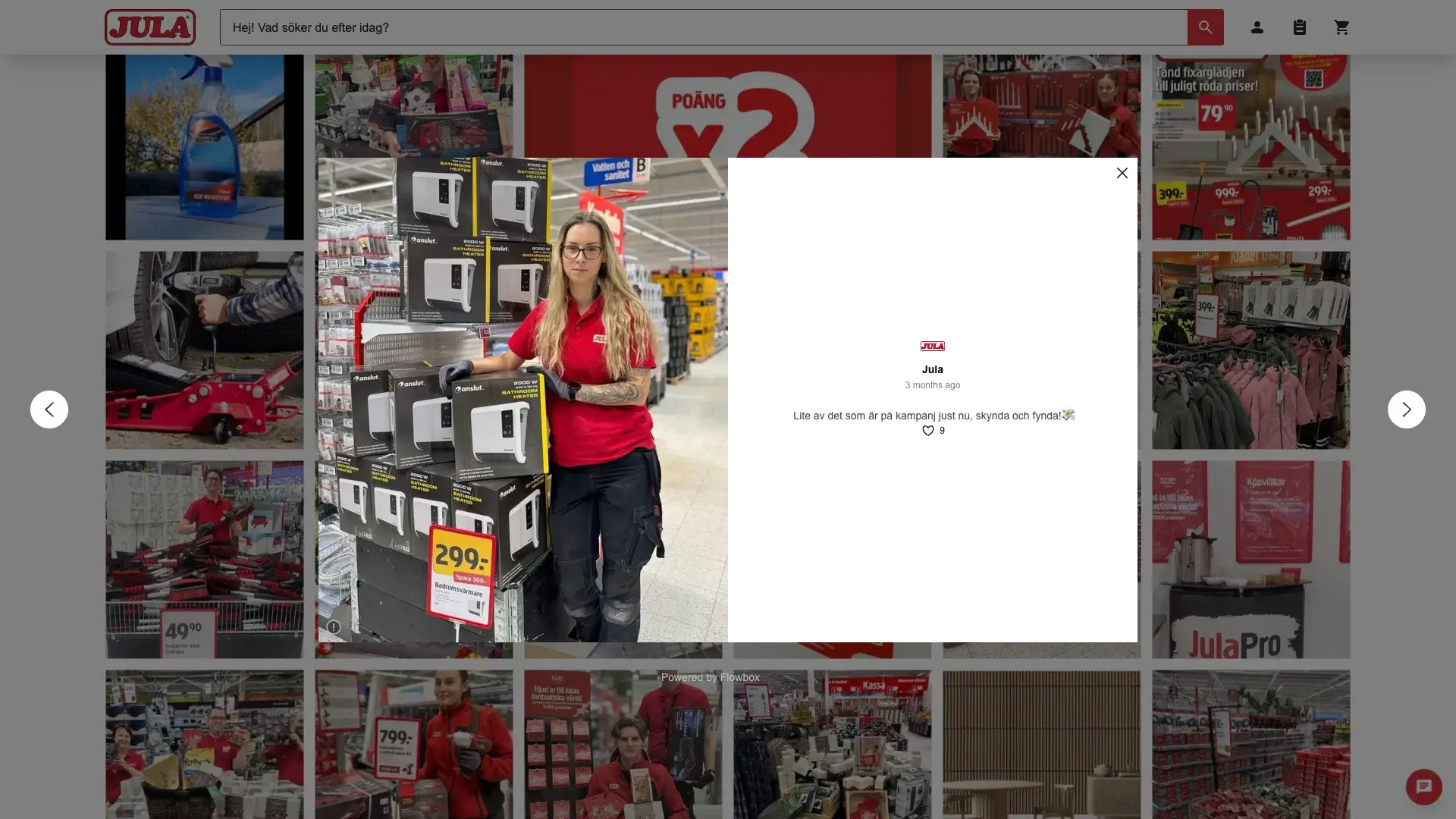
Employee brand ambassadors are company employees who represent and promote the brand. Their insider knowledge and firsthand experience enhance credibility and help humanise the brand from within.
Jula is a clear example of working with employee brand ambassadors. On their store page, they have a gallery of photos featuring their employees showcasing different products from the stores.
Selecting the right mix of brand ambassadors depends on business goals, audience profile, and available resources. Peer advocates and enthusiasts strengthen authenticity and social proof, while niche authorities and affiliate ambassadors can drive measurable performance.
Formal and experiential ambassadors enhance visibility and brand positioning, and employee ambassadors reinforce credibility from within. A well-balanced ambassador strategy integrates multiple types to create sustained advocacy, measurable impact, and long-term brand equity.
Brands rely on ambassador programs to build authentic and long-term relationships with their audiences. In a marketing environment where consumers often perceive traditional advertising as less trustworthy, brand ambassadors provide a more human and relatable representation of the brand.
Let’s explore some benefits of collaborating with brand ambassadors:
Many brands within Flowbox’s portfolio benefit from collaborations with brand ambassadors. Focus Bikes uses Flowbox UGC platform to handle a high volume of social media content generated by its users and brand ambassadors, enabling it to collect an impressive 10,500 posts from all sources and showcase the strength and activity of its global cycling community.
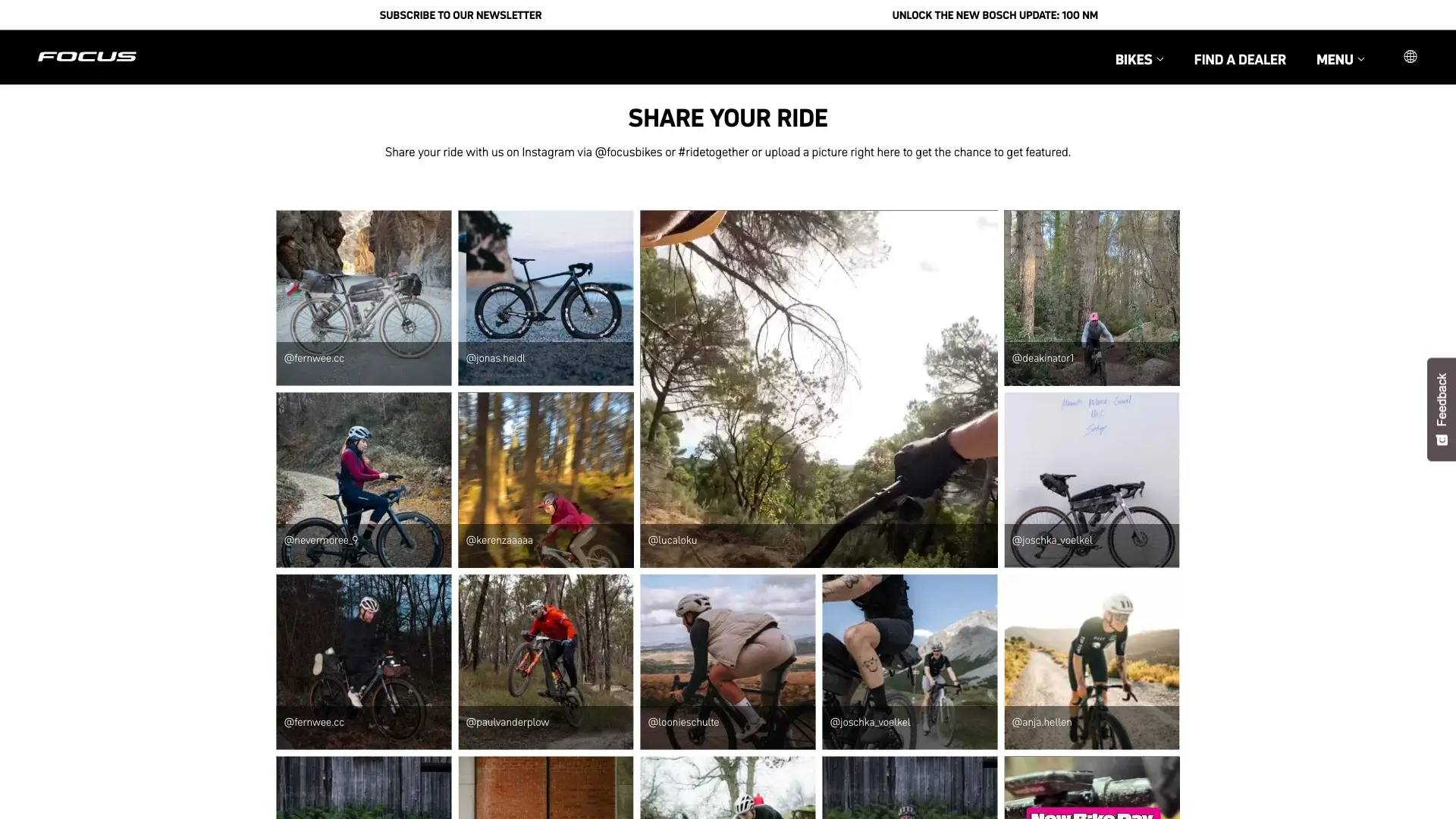
The Focus Bikes team whitelisted more than 25 brand ambassadors to leverage the content shared by the creators. The whitelist tool enabled them to benefit from automatically approved content, saving time and keeping their website and campaigns consistently fresh and engaging.
“I think the most important thing that Flowbox helps me with in my daily work when we try to gather content is, for sure, the automation. There is, you could say, too much content to manually sort out and see what we can do. The automation is super easy for us. Also, the possibility for us to whitelist our sponsored riders or brand ambassadors. It’s super easy because we do not have to send out any permissions. It’s all going automatically. This is super time-saving and super helpful for us.”
Marcel Posa, Content & Social Media Manager at FOCUS Bikes
By following a user-generated content strategy and maintaining consistent communication, brands can leverage ambassadors to increase brand visibility, build credibility, and foster long-term customer loyalty.
When selecting a brand ambassador, brands are not simply looking for any individual willing to promote their products. The chosen person must possess specific characteristics that contribute to the success of the partnership, such as authenticity, strong communication skills, and a genuine connection to the brand.
There are some key aspects you have to consider when hiring a brand ambassador:
By carefully evaluating these elements, brands can select ambassadors who effectively support their marketing goals and strengthen long-term brand growth.
Now that you know the aspects you need to consider when choosing a brand ambassador, let’s get to how to find them. Platforms like Flowbox provide all the tools needed to automate and streamline every step of the search and outreach processes by using data-driven search and filtering tools.
The platform allows users to search creators based on criteria such as social media platform, audience demographics, location, niche, engagement rate, and follower size. This makes it easier to find individuals whose audiences closely align with a brand’s target market.
Flowbox also provides performance metrics and profile insights, enabling brands to assess the authenticity and relevance of potential ambassadors before making contact. By centralising discovery, analysis, and outreach in one system, the platform streamlines the process of finding and managing influencers and brand ambassadors, reducing reliance on manual searches or guesswork.
Developing a collaboration with brand ambassadors involves building long-term relationships that reflect the brand’s image and goals. A well-defined strategy, as opposed to choosing the individual randomly, ensures the chosen ambassador is the right one and contributes meaningfully.
Below are the key steps to consider when creating an effective brand ambassador collaboration strategy:
Before choosing the right ambassador for your brand, focus on developing a clear marketing strategy to define what you want to achieve and which aspects of the brand you want the ambassador to represent.
Selecting the right collaboration is crucial in deciding how brand ambassadors will represent and promote the brand in a way that best supports your objectives and resonates with your target audience. Some things you could do:
Taking these aspects into consideration, select the collaboration that aligns with your objectives, matches your resources, and feels authentic to both your brand and your audience.
Choosing the right brand ambassadors is essential for creating authentic representation and building meaningful connections with your target audience. To find suitable ambassadors for your brand or product, you can either search manually or use a specialised influencer marketing platform that helps make recruitment easier and scale ambassador programs effectively.
Flowbox has a tool for discovering creators that helps you identify influencers who align with your brand and meet your desired standards using specific criteria. Also, with the brand-matching tool, you can streamline the process of inviting multiple influencers by eliminating the need for manual, individual profile invitations.
With the help of these tools, brands can research and collaborate with the right individuals to represent them as brand ambassadors.
Once the right brand ambassadors have been selected, it is essential to develop and communicate a detailed collaboration agreement. A well-structured and clear brief is essential to create good communication and guarantees that the creators know exactly what you are demanding from the collaboration.
The briefs can be prepared and shared with each ambassador individually or managed through a specialised platform such as Flowbox to ease the process and efficiently ramp up campaigns.
A strong relationship and effective communication with the brand ambassador help create a successful, long-term collaboration.
Legal considerations play a vital role in brand collaborations. Having clear agreements in place helps protect both the brand and the creator, promotes transparency for audiences, and ensures that campaigns comply with advertising standards and data protection regulations.
To remain compliant, it is important to require creators to use the appropriate disclosure labels based on their region (such as #ad, #sponsored, or “paid partnership”). Moreover, brands should provide clear guidelines on approved messages (what they can and cannot say), particularly in regulated sectors like beauty, wellness, health, and finance.
In addition, content usage rights should be clearly defined in writing, specifying where the content may be used and for how long. All agreements, approvals, and deliverables should be documented and stored centrally.
Having a signed agreement with brand ambassadors provides clarity, protection, and efficiency, offering several key benefits for both brands and ambassadors.
A formal agreement clearly defines ownership and usage rights of any content created, sets out specific responsibilities, campaign goals, timelines, and required content formats, allows brands to include clauses about disclosure requirements, affiliate promotions, or local advertising regulations, and formalises payment terms, commissions, or other incentives, providing transparency for both sides.
Flowbox provides the tools to manage all legal rights and agreements within the platform, so you don’t have to worry about future disputes.
Flowbox simplifies payments to ambassadors by integrating compensation directly into the platform. Brands can assign tasks, set payment terms, and offer customised rewards such as automatic payments, vouchers, or other incentives.
Once ambassadors complete their tasks, the system tracks content and engagement, allowing payments to be processed automatically without manual follow-up. This centralised workflow ensures transparency, timely compensation, and easier management of multiple influencers across campaigns.
Measuring results allows you to identify what was effective, what did not deliver as expected, and which elements should be refined or repeated in future campaigns. This stage connects your initial objectives with the actual outcomes achieved.
Leading DTC brands like Skoringen, ALFA, Redskins, and Alohas have implemented structured ambassador initiatives to increase brand visibility, strengthen community engagement, and drive conversions through authentic content and social proof.
The following examples demonstrate different approaches to ambassador marketing, illustrating how brands leverage partnerships to scale awareness, generate UGC, and reinforce long-term customer loyalty.
Skoringen has a page dedicated to its brand ambassadors, showcasing the products they love from the brand. Each one of these ambassadors has their own presentation where they talk about themselves, followed by the product display. This is how Skoringen’s ambassadors page looks:
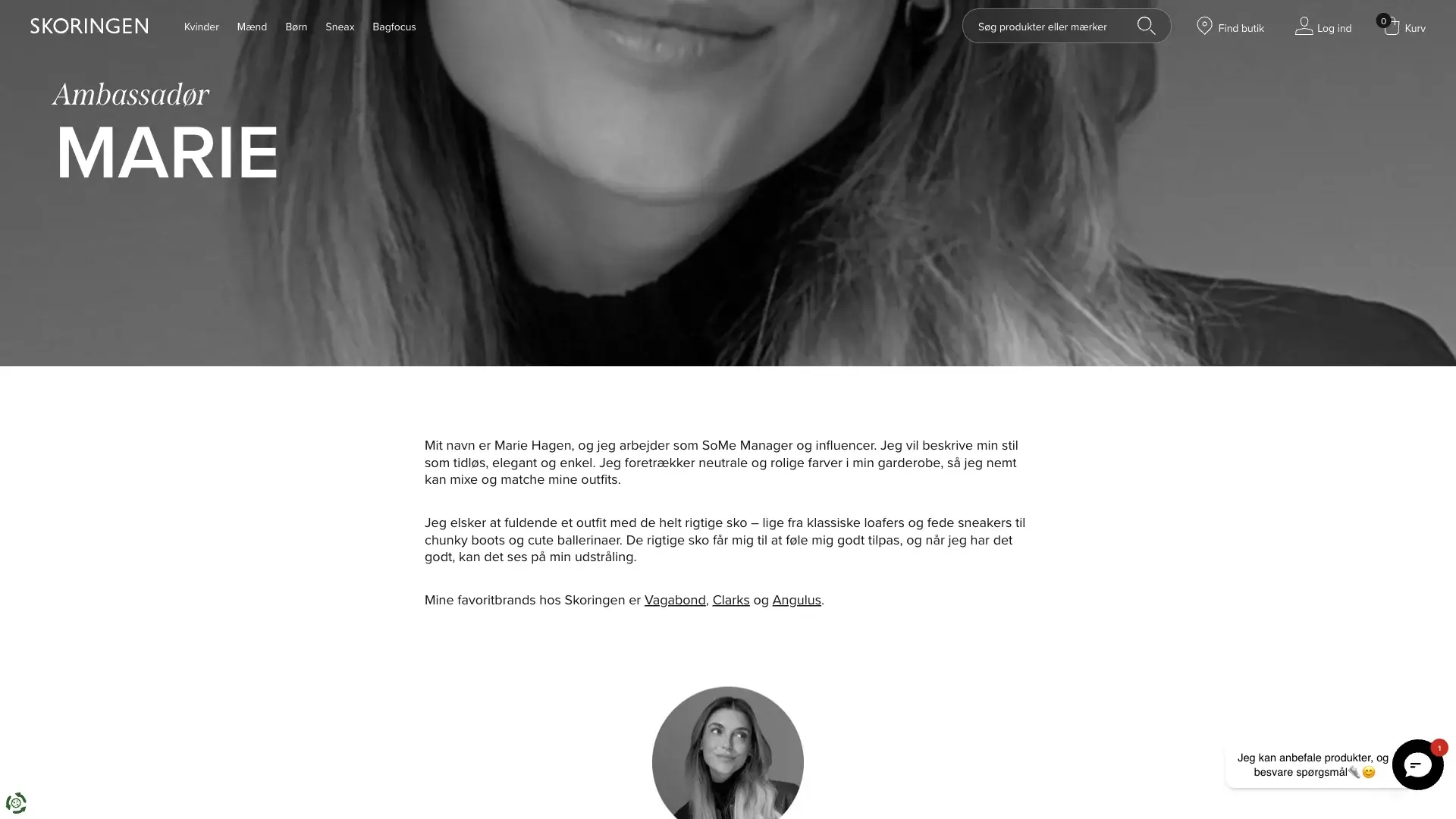
This dedicated page helps humanise the brand and build trust, as visitors can see real people behind the products rather than traditional advertising. By allowing each ambassador to introduce themselves and share their favourite products, Skoringen creates a sense of authenticity and relatability, making the recommendations feel more genuine.
ALFA is a Norwegian brand specialising in sporting footwear. They recently added a page to their website under the ‘Inspiration’ section to showcase their brand ambassadors. These ambassadors are adventurous individuals who love sports and travel. By featuring such people, the brand reinforces the image it wants to portray to consumers.
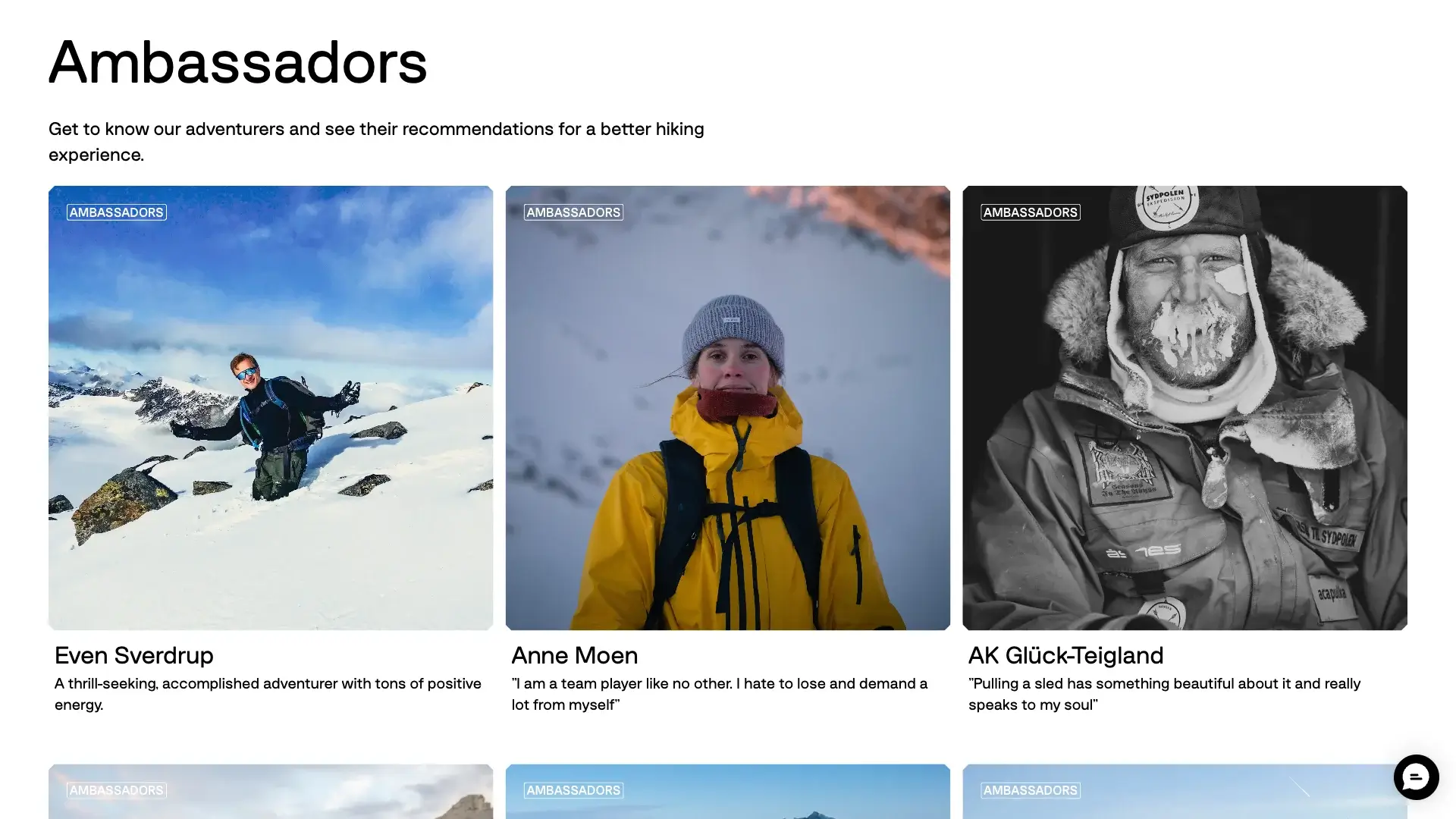
ALFA features a dedicated page where each ambassador answers an “informal” interview with questions that help consumers get to know them better. This helps bring the brand closer to consumers by adding a human touch.
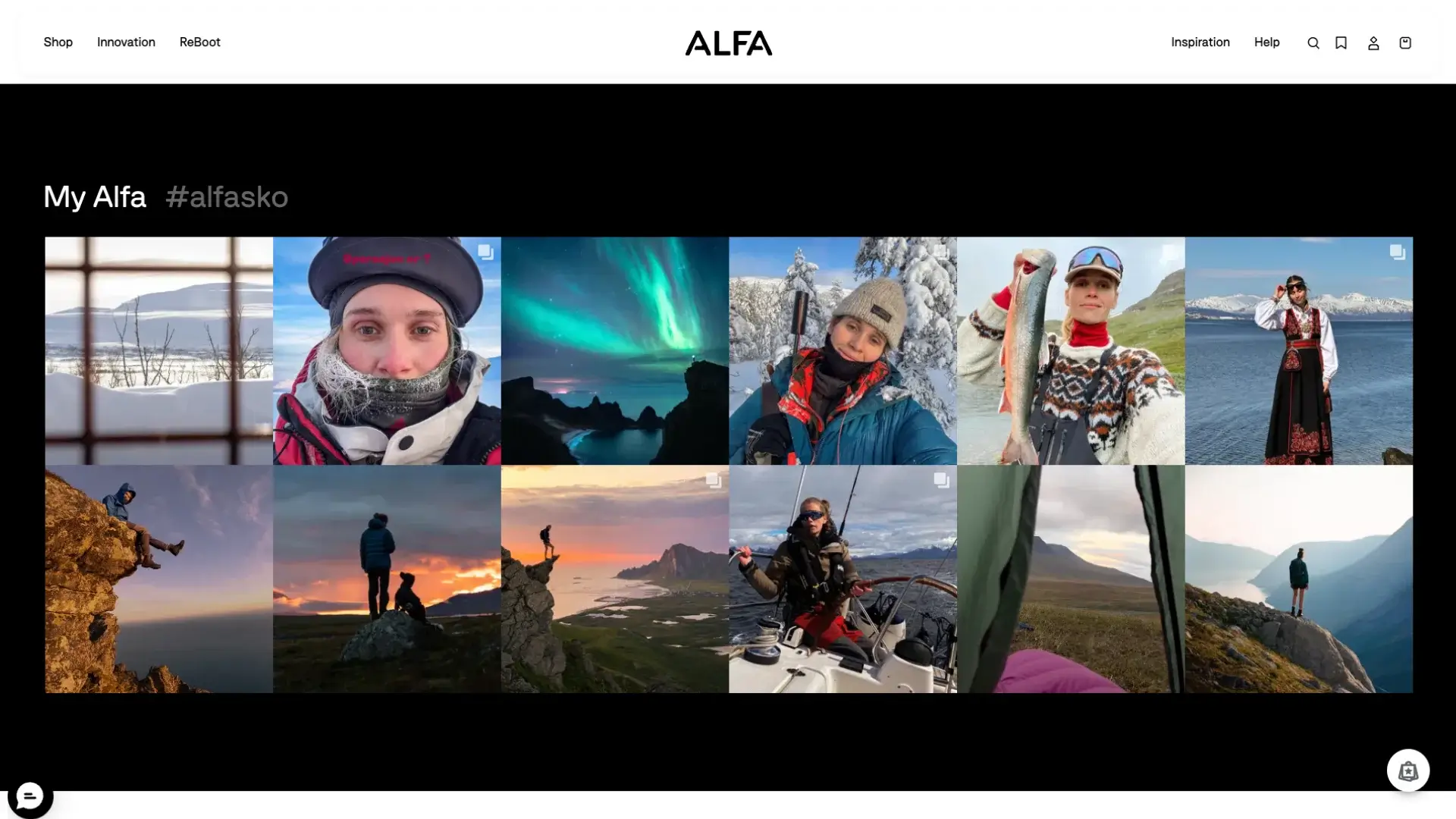
Each ambassador page includes a UGC gallery powered by Flowbox, showcasing the ambassador’s social content.
Redskins, in collaboration with Flowbox, launched a loyalty program that encourages customers to earn points by creating and sharing content featuring the brand. Through this initiative, the brand aims to transform loyal customers into genuine brand ambassadors by actively involving them in its marketing efforts.
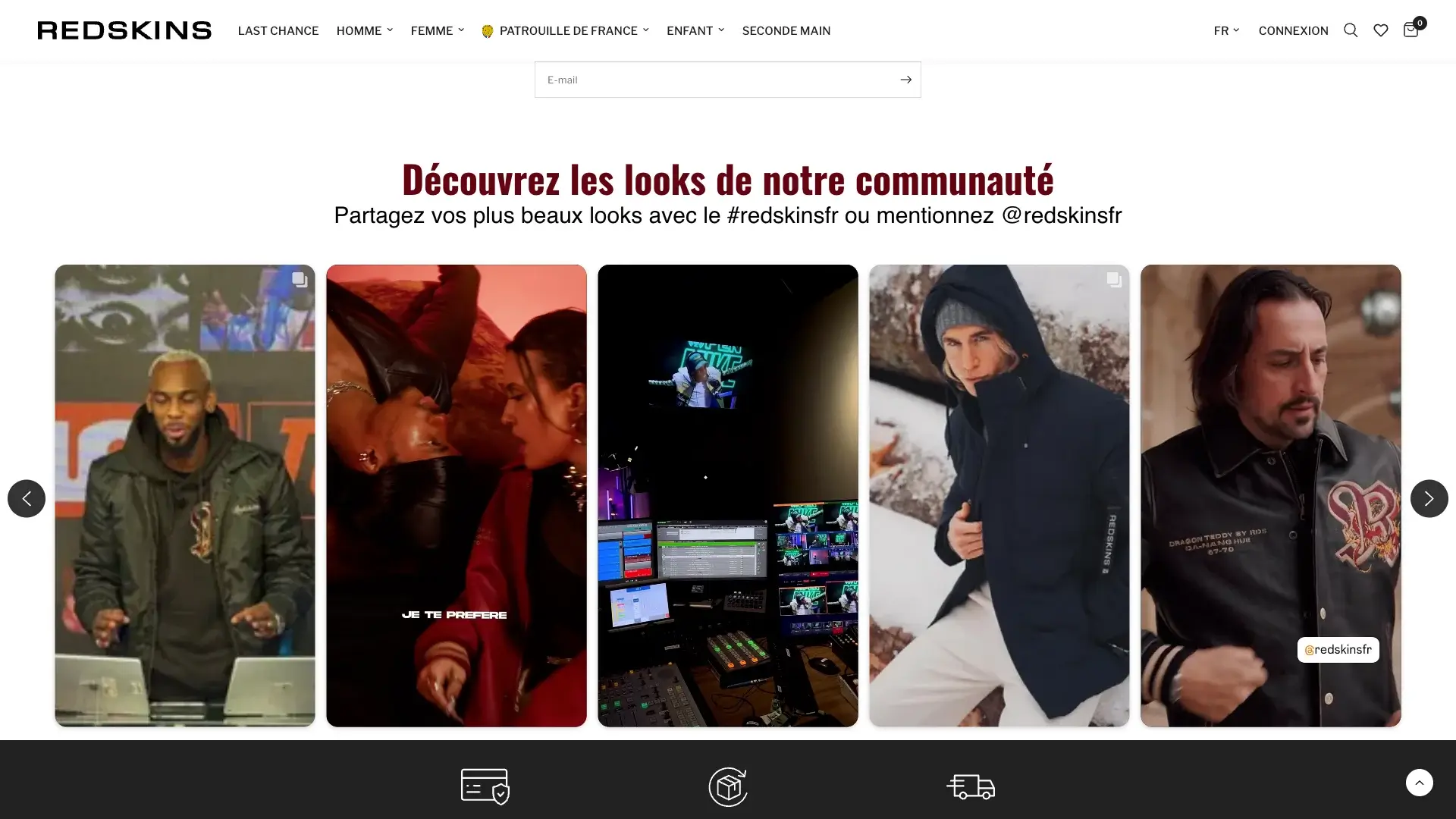
This approach increases the amount of authentic user-generated content while strengthening the relationship between the brand and its community. By rewarding participation, Redskins encourages engagement and long-term loyalty while gaining credible, natural content that resonates with potential consumers.
Alohas encourages creators and customers to promote the brand through an affiliate program. This model allows the brand to reach new audiences while rewarding partners based on performance. The content generated by their ambassadors is also shared in Alohas’s homepage and a dedicated community page.
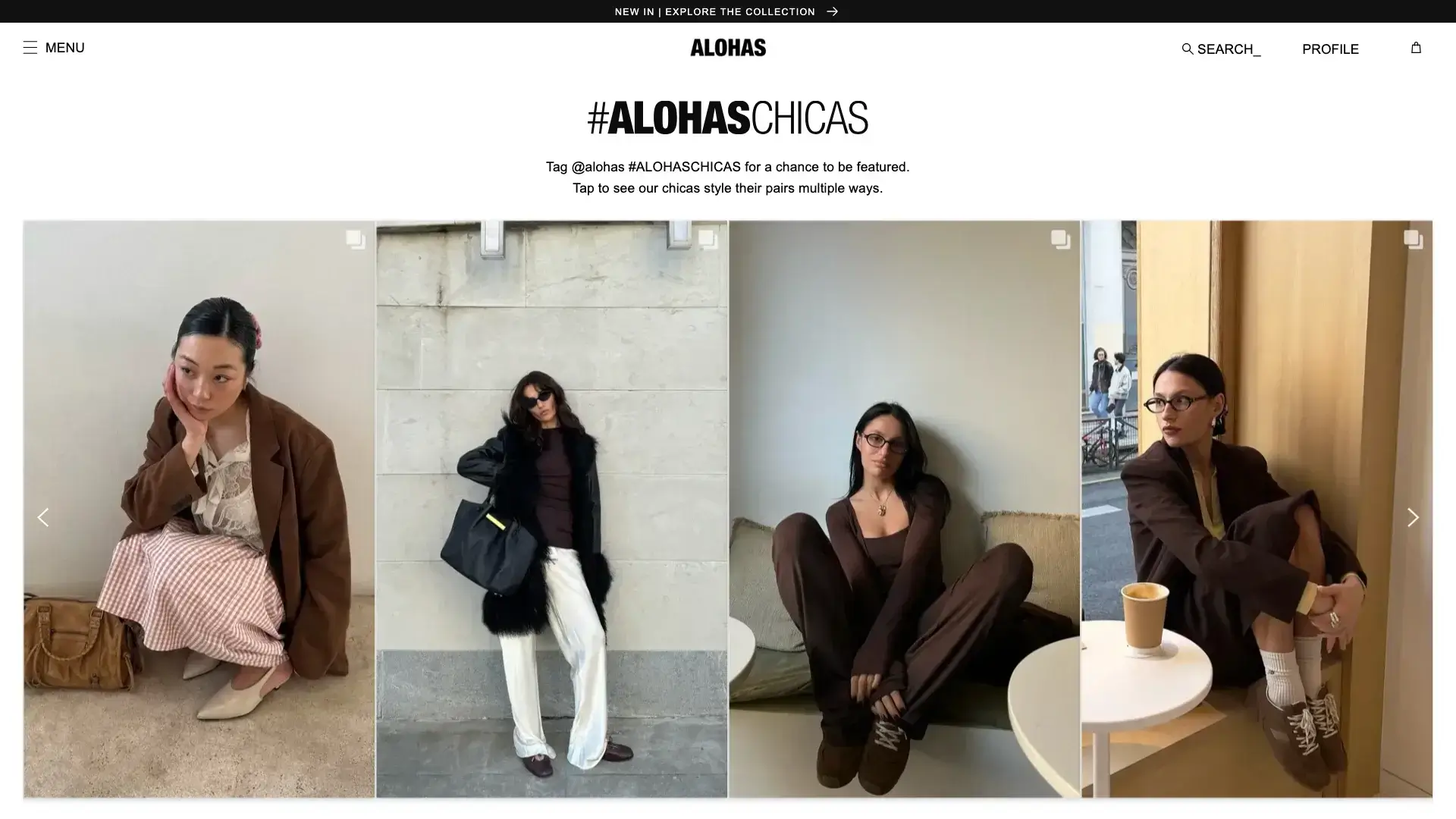
Alohas benefits from authentic recommendations that feel organic and trustworthy while maintaining a cost-effective, results-driven strategy. The program also helps build relationships with individuals who genuinely connect with the brand, turning them into long-term promoters rather than one-time collaborators.
An effective brand ambassador program focuses on long-term partnerships rather than one-time collaborations. By selecting ambassadors who genuinely reflect the brand’s values, brands can increase visibility, strengthen credibility, and build stronger connections with their audience through authentic and consistent representation.
Flowbox helps you manage your collaborations with brand ambassadors. The platform allows you to generate, collect, moderate, and distribute content from creators, making it easier to find the right brand ambassadors for your brand. Want to take a look at how it works? Request a demo and discover how Flowbox can help you.
The following FAQs address the most common queries around brand ambassadors, providing concise, actionable answers to support informed decision-making and effective programme management.
Brand ambassadors are individuals who represent and promote the brand on a long-term basis. They tend to have a genuine connection with the brand and represent its values and image. Ambassadors build an ongoing relationship with the brand, helping raise awareness, credibility, and trust through user-generated content.
Collaborating with brand ambassadors helps brands to strengthen their image, increase visibility, and build credibility. Because ambassadors genuinely use and support the brand’s products or services, their recommendations feel more authentic and trustworthy.
The main difference is duration: influencers often work with brands on short-term or one-off campaigns, while brand ambassadors collaborate with the brand over a longer period. Also, they differ in the depth of the relationship: ambassadors tend to have a stronger, more authentic connection with the brand and represent it more consistently, which helps create deeper trust and loyalty among consumers.
The best ambassador is someone who aligns with the brand’s values, identity, and target audience. This could be an athlete, content creator, industry expert, or loyal customer, depending on the brand’s positioning. Authenticity is more important than follower count, as ambassadors who genuinely connect with the brand can foster stronger, more meaningful engagement.
Use a UGC platform like Flowbox to find verified creators whose niche, tone, location, and engagement align with your target market. It is important to evaluate their audience, content quality, engagement, and alignment with the brand’s values. Propose a long-term collaboration and manage it through the platform.
A brief for brand ambassador collaboration should clearly outline the campaign objectives, expectations, deliverables, timeline, and key messages. Providing clear instructions helps ensure consistency and allows ambassadors to represent the brand accurately while maintaining authenticity.
Collaborations with brand ambassadors should include a written agreement that defines responsibilities, compensation, content usage rights, duration, and confidentiality. It should also address disclosure requirements to ensure compliance with advertising regulations. Having a formal agreement protects both the brand and the ambassador and ensures transparency. Creators on the Flowbox platforms have previously agreed to license their content for commercial use for 24 months after it goes live or is submitted, allowing brands to save time while staying compliant.
Brands can measure success by tracking KPIs such as reach, engagement, conversions, and sales increase in Flowbox’s analytics dashboard. Other indicators include brand awareness, audience growth, and the quality of content created. Evaluating these metrics helps determine whether the collaboration achieved its objectives.
Platforms like Flowbox help you find ambassadors, manage teams, campaigns and rewards, and track performance in one place. It also allows you to repurpose influencers’ content across different brand channels, such as the website, ads, email campaigns, and social media.