Products
Case studies
Industries
Resources
I’m an Influencer
7 min read


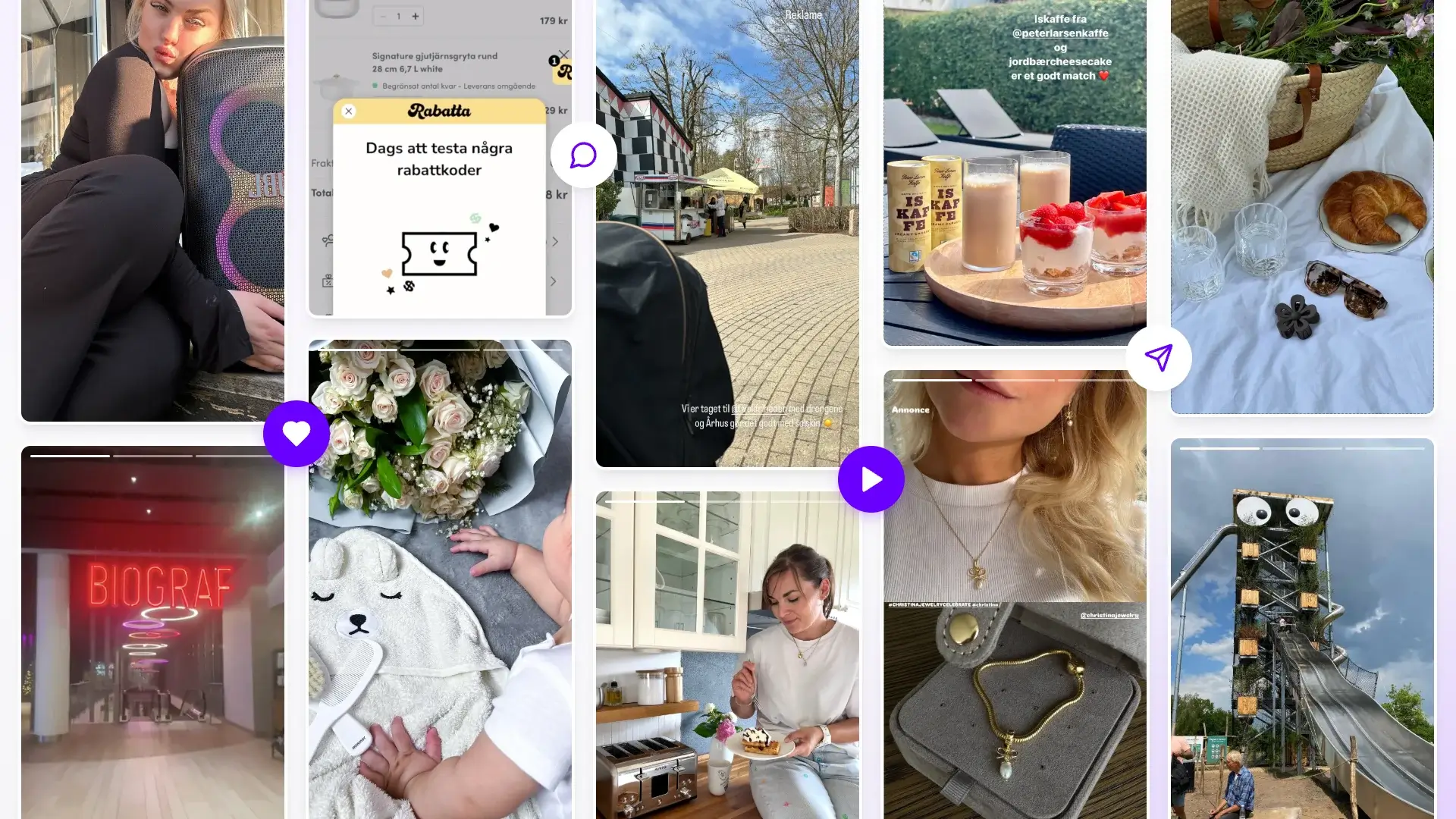
Table of Contents
Want influencer marketing examples with real numbers behind them? The brands below set clear campaign goals and published the results, so you can see how industry leaders develop their influencer marketing strategies and campaigns.
Each example below includes the published results of individual influencer marketing campaigns. It details how many creators took part in the campaign, the reach and engagement the content generated, which channel carried it, and an overview of how they used Flowbox’s influencer marketing platform to make it happen.
Influencer marketing is a strategy in which brands partner with creators to promote their products to audiences who follow and trust them. It has a custom and authentic feel that can’t be achieved through traditional advertising, and content reaches people where they already choose to spend their time online.
For consumer brands, influencer marketing is a well-rounded tool for building trust, driving sales and delivering natural content to reuse across the brand’s website and social channels. Learn more about how your brand can reach your audience more effectively in our complete guide to influencer marketing.
This article gives an insight into ten campaigns that brands ran on the Flowbox influencer marketing platform, from a global speaker launch to a cinema chain creating premiere screening excitement.
Use these examples as a working reference for your brand. Match the campaign type to your own goal, whether that’s a product launch, a seasonal push, a rebrand, or building a long-term brand ambassador programme.
When JBL launched the PartyBox Club 120, the aim was to get Gen Z talking. With an audience that trusts relatable creators over polished ads, JBL’s influencer team matched with micro-influencers whose energy fit the product, then handed them creative freedom.
Creators highlighted features that mattered for the launch, including the vibrant light show and battery life, in their own voice. That freedom provoked Gen Z to engage with the product by watching, saving and sharing.
JBL guided their creator team to post directly to their own social channels, keeping each video native to the influencer’s feed rather than reposting all the content on the brand account. An exemplary model when the objective is a high-energy launch and authentic reach. Take a further look at JBL’s case study to discover their results with an influencer marketing strategy.
Denmark’s leading cinema chain invited a small group of influencers to a weekend premiere screening, an experience their followers could book for themselves at their local cinema. The creators documented the whole evening, including their journey, the array of snack options and the film itself, and shared it on their TikTok accounts.
The strategy worked so well it became a recurring event. Nordisk Film Biografer now invites TikTok creators on a monthly basis to stay current with a younger, digitally native audience. See in detail how Nordisk Film Biografer’s influencer campaign worked.
Every month, Rabatta asks their influencer team to share a personal take on the brand. They then boost their favourite content with TikTok Spark Ads. Paid promotion pushes each video into new audiences the creators don’t tend to reach organically.
The open-ended brief is where the strategy becomes so effective. Creators working from the same starting instructions produce differing content, allowing Rabatta to reach distinct audience segments. They generated a diverse ad library from a single campaign.
Rabatta have shown the value in combining organic creator content with paid ads. Take a further look at the Rabatta case study to learn more about the brand’s results.
“With this campaign, we have received varied, high-quality content from creators, which has delivered strong results both organically and as part of our advertising. One of the advantages of Flowbox is that the creators on our team can work from the same campaign brief and still deliver such diverse content that appeals to different audiences, highlighting the benefits of downloading our app.”
Rasmus Hansen, CMO & Co-Founder at Rabatta
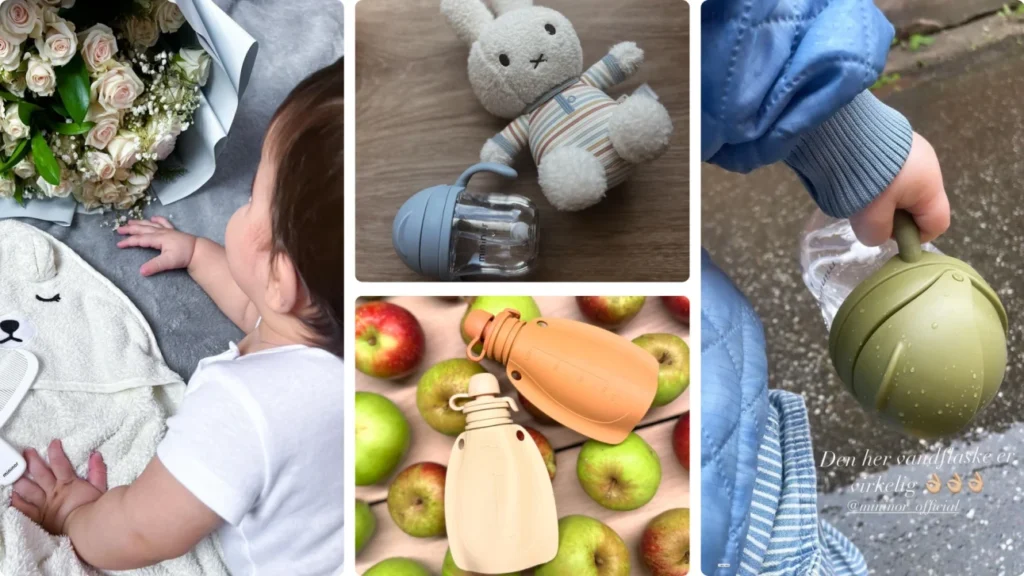
Mininor ran a welcome campaign that invited their entire influencer team to take part. Each creator received a small voucher to spend on the Mininor site in exchange for content, producing a medley of content the brand could reuse across future campaigns.
Because creators could join at any time, every collaboration ran on its own timeline. That made individual tracking essential. Through Flowbox, the team could measure content, engagement, and creator fit even as people joined on different dates. See more the brand in the Mininor case study.
“It was easy to set up and spread the word about Mininor through our welcome campaign. It helped us to create long lasting relationships with real people who value our brand. We used Instagram & TikTok, taking both to repost on our Instagram- and with the rise of reels, we were happy to see how many creators were great at creating them!”
Gabriella Robinson, Marketing and SoMe Manager at Mininor
Not every campaign asks creators to post on their accounts. AIVIQ used its micro-influencers to produce authentic user-generated content that the brand then ran in its own paid advertising, alongside product photography.
AIVIQ’s logic was to create a balance: raw, trustworthy creator content plays the initial role of capturing attention, while studio imagery brings a professional finish that enhances brand identity. Together they make an ad that feels both credible and premium.
Creators were briefed to make content for ad use rather than for their own feeds, giving AIVIQ owned assets ready for paid distribution. This strategy works best when your priority is a stock of high-performing ads to publish on your own page rather than organic creator reach. See more details on the AIVIQ case study.
AIVIQ’s page does not publish reach or engagement figures for this campaign, so treat it as a use-case example rather than a benchmark for performance.
For a beverages brand, being paramount at the moment of purchase means everything. Peter Larsen Kaffe timed their campaign to perfection: iced-coffee season. They invited 38 influencers to try their three iced-coffee flavours and share them on Instagram.
“The collaboration with Flowbox has been a key part of our summer campaign for iced coffee, where together we’ve managed to create strong awareness of our iced coffee within the target audience in an easy and effective way.”
Josefine Kaagaard, Brand Campaign Manager at Peter Larsen Kaffe
A diverse creator group meant the product wasn’t only exposed to a handful of audiences. PLK used a gifting-for-content model, producing over 200 pieces of seasonal content from the brief and showing how volume and timing can matter more than a single, profound post. Learn more about it in the Peter Larsen Kaffe case study.
CHRISTINA needed their audience to associate them with their new name, moving on from earlier labels like “Christina Jewelry & Watches” and “bychristina.” A welcome campaign with micro-influencers on Instagram and TikTok carried the refreshed brand name to engaging, niche audiences.
Because the message arrived through creators their followers already trusted, the new name was delivered through a genuine recommendation rather than a corporate announcement.
CHRISTINA used Flowbox to build brand recognition at a pivotal moment of change. They show influencers’ versatility in teaching the market who you are now, not just jumping on a new product launch. See all about CHRISTINA’s collaborations with influencers.
For its Adventurous Collection SS24 sunglasses, A.KJÆRBEDE briefed creators to shoot high-quality TikTok content in natural environments, with clear guidance on lighting and close-ups so the product stayed front and centre. The creators held full creative freedom within that direction.
Once the videos were live, creators generated Spark Ads codes so the brand could amplify the strongest content through paid promotion, extending reach past each creator’s own audience.
For a launch that needed both a consistent visual standard and reach beyond organic, A.KJÆRBEDE combined their team with available tools to reach their goal. Take a further look at the A.KJÆRBEDE case study.
WOW PARK wanted to accurately showcase their parks as fun for the whole family, across all ages, which isn’t so effective through the lens of staged photography. So it invited creators to visit, tour the park with their followers, and capture genuine moments, including the new GIGANTEN slide tower at WOW PARK Billund.
The authenticity of real families making memories made the content feel trustworthy in a way a photoshoot cannot. That same authenticity is what carried the campaign.
Creators self-scheduled their visits by picking preferred dates inside the platform, which kept coordination smooth across a large team and physical venue. A model strategy for destinations and attractions where the visit itself is the content. See more in the WOW PARK case study.
re do® pivoted away from targeting reach. They invited their creator team to an intimate showroom Meet’n’Greet with no requirement to post, walking them through the newest collection and their production process, then inviting hands-on feedback.
The aim was to develop a personal relationship with the creators behind their brand, not pushing for immediate campaign metrics. They serve as a reminder that some of the most valuable creator work happens before any content is published.
The platform managed the creator team relationship for a soft-touch, no-brief event, the ideal method for investing in long-term creator loyalty rather than a short-term spike. See the full re do® case study.
Brands’ influencer marketing campaigns tend to serve two primary actions: creating a flexible, loyal creator team, and paid amplification of the best organic content.
Behind the individual examples, there is one pattern worth noting: across these ten brands, the recurring approach is a standing team of micro-influencers who can all work on a repeat basis, not a one-off celebrity campaign.
This reflects the wider platform data. On Flowbox, 81% of brand-influencer collaborations are repeat partnerships rather than single engagements.
The budget is moving in the same direction. Four in ten marketers are shifting spend away from macro and mega influencers toward nano and micro creators, chasing trust rather than pointless attention.
These influencer marketing campaign examples have distinct purposes (product launches, seasonal pushes, rebrands, family experiences and pure relationship-building), yet the same foundations run through all of them: a reusable micro-influencer team, opportunity for creators to express themselves, and the option to amplify the best organic content with paid ads.
The reach on any single campaign matters less than the system behind it. Whether a brand pulled 1.8 million views or ran a quiet showroom evening, each one used the same platform to brief creators, track results, and turn creator content into an asset the brand could keep using.
Is it time for you to build your brand’s influencer marketing campaigns? Request a demo and see how Flowbox can help you manage your creator collaborations.