Products
Case studies
Industries
Resources
I’m an Influencer
8 min read


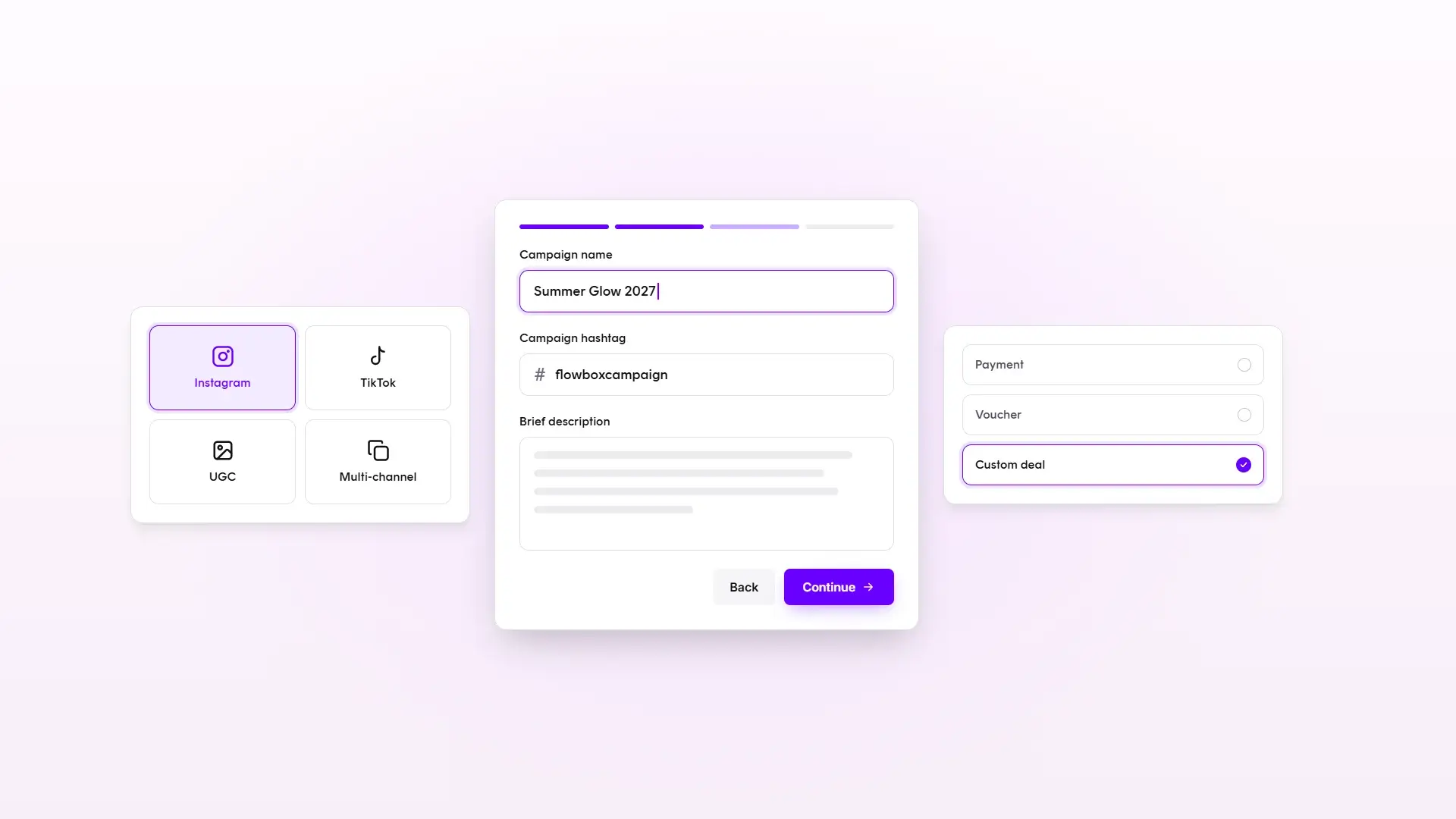
Table of Contents
Do you know how to write an influencer brief that actually works? This guide shows why a strong influencer brief matters and how it can determine the success of your next creator campaign.
An influencer brief is a written agreement that turns a campaign concept into content you can use. When executed well, creators deliver posts on time that you can use with little to no adjustments. Get it wrong, and you spend the whole collaboration chasing revisions, or worse, paying for content that doesn’t match your brand’s guidelines or that you have no right to reuse.
This guide explains what an influencer brief is, what to include in one, and how to brief creators across different collaboration types. It includes a free template and a walkthrough on how to run the process end to end, from brief to rights to reuse, inside Flowbox’s influencer marketing platform.
If you are still shaping the wider plan, start with our influencer marketing strategy guide, then come back here to build the brief that makes it happen.
An influencer brief is a short document that specifies to the creator exactly what you want from a collaboration: the goal, the deliverables, the key messages, the rules, and the usage rights. It is the working document a creator uses while planning and filming, so clarity and detail are key.
The brief isn’t your contract; these are two separate documents that serve distinct purposes. The contract is the binding legal agreement that outlines the terms and rules your brand wants to set for the partnership. The brief sits between your plan and the contract, giving the creator a reference to follow.
An influencer creator brief isn’t to be confused with a UGC creator brief. They’re similar in some ways, but there’s a key difference: while an influencer brief typically asks the creator to post to their own feed, a UGC brief asks for raw content for your brand to post, not a post on the creator’s own feed.
Knowing the difference between a UGC creator and an influencer is important to understand which you want to focus on before you think about writing a brief.
| Document type | Purpose | Binding? | Who reads it |
| Influencer brief | Direct the creative and set expectations for one campaign | No | The creator, producing for their channels |
| Contract | Covers payment, exclusivity, rights and liability | Yes | Legal, procurement, the creator’s manager |
| UGC creator brief | Commission content you publish yourself, with no post on the creator’s channel | No | The creator, producing for your channels |
These three documents are often confused, which can lead to briefs that read like legal paperwork or contracts that try to direct creative.
A strong brief answers the creator’s questions before they ask them. These eight elements cover almost every campaign type, so your brief could be a trimmed version of this. Anything that doesn’t help the creator make the content belongs in the contract or the campaign plan.
Lots of brands write the brief in one tool, chase approvals in another, store the content somewhere else, and only think about usage rights when they face them head on. Because Flowbox runs organic UGC and influencer marketing on one platform, the brief, content, rights, and reuse all live in the same place. Here is how Flowbox helps you manage it all.
When you create a campaign, the setup is the brief. You add a campaign name and hashtag, so posts are tracked automatically; write the objective and participation guidelines; and set do’s and don’ts for each content type.
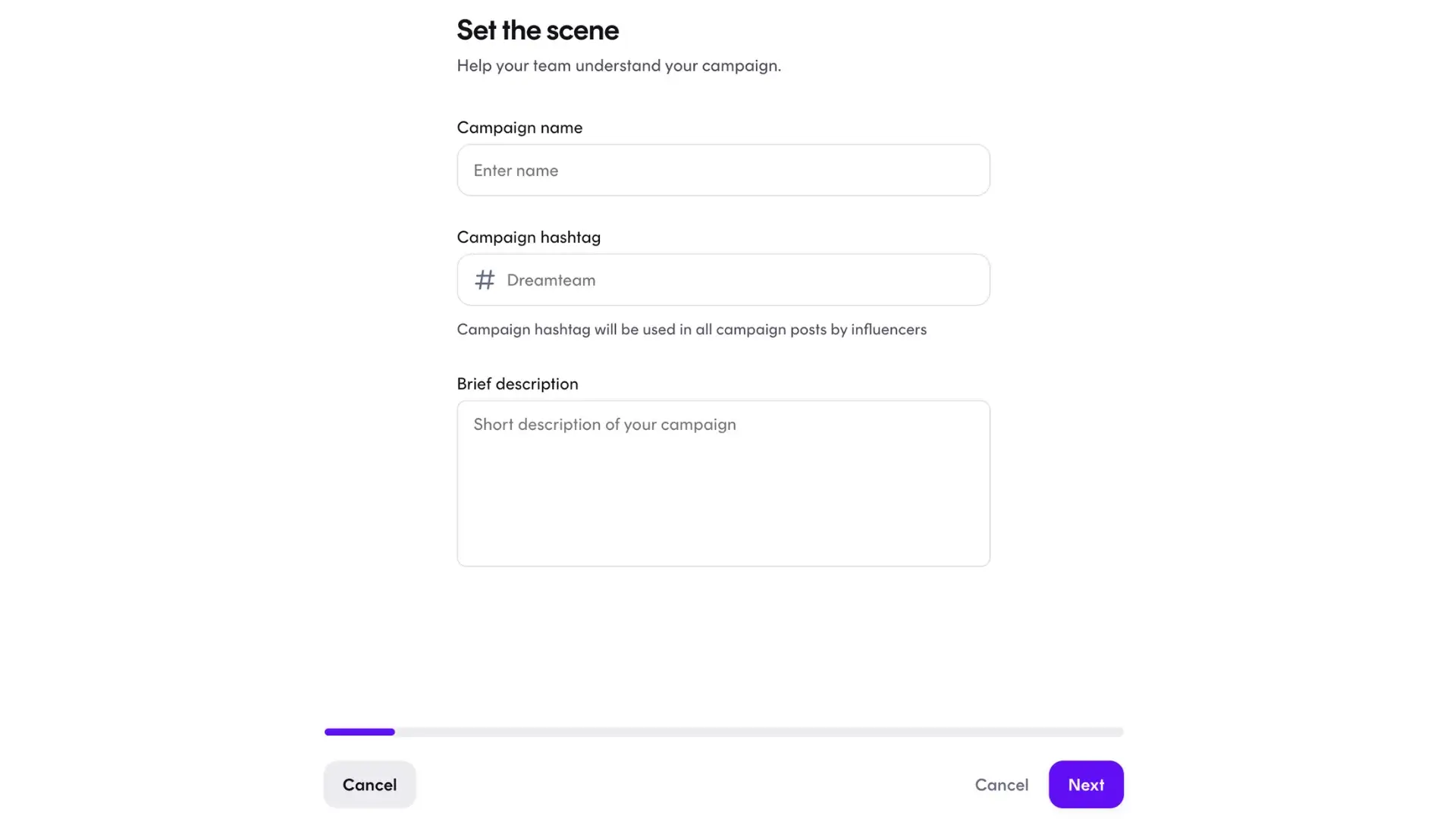
A join message and a content inspiration gallery show creators the expected standard before they start.
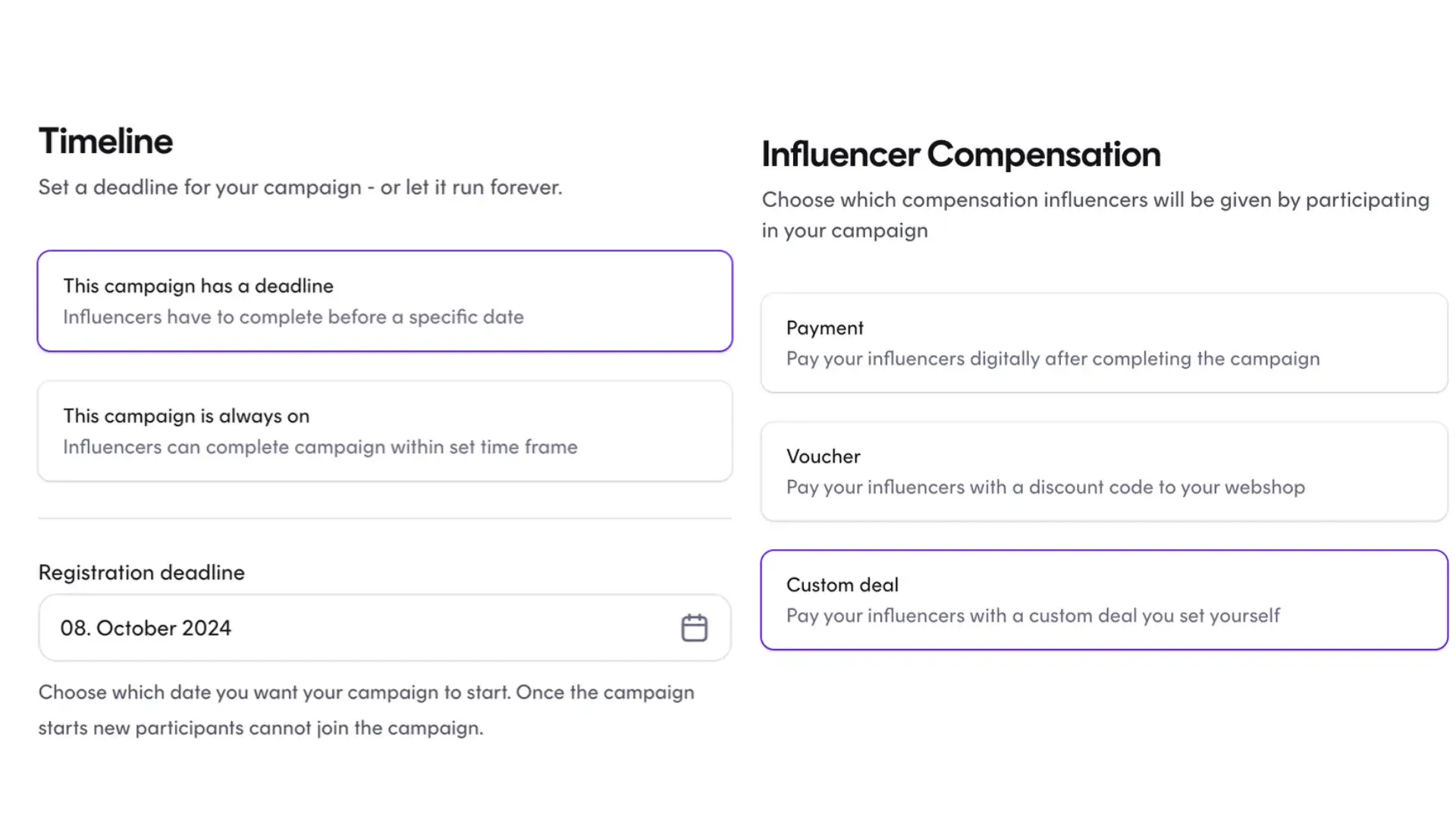
Set a fixed deadline or an always-on model where each creator gets a set number of days from when they join. Then choose the channel: Instagram, TikTok, both in one multi-channel campaign, or a content-only brief where creators upload straight to you without posting publicly. Compensation can vary from cash, a voucher or gift card, or a custom reward such as product or event access.
Creators can apply to your team, and you can also recruit proactively. Invite them from the Verified Influencers network, use Global Search to reach creators beyond the platform network, email them from your own domain, or share a recruitment page for them to join organically. Segment by groups and set a target group so each brief reaches your desired audience.
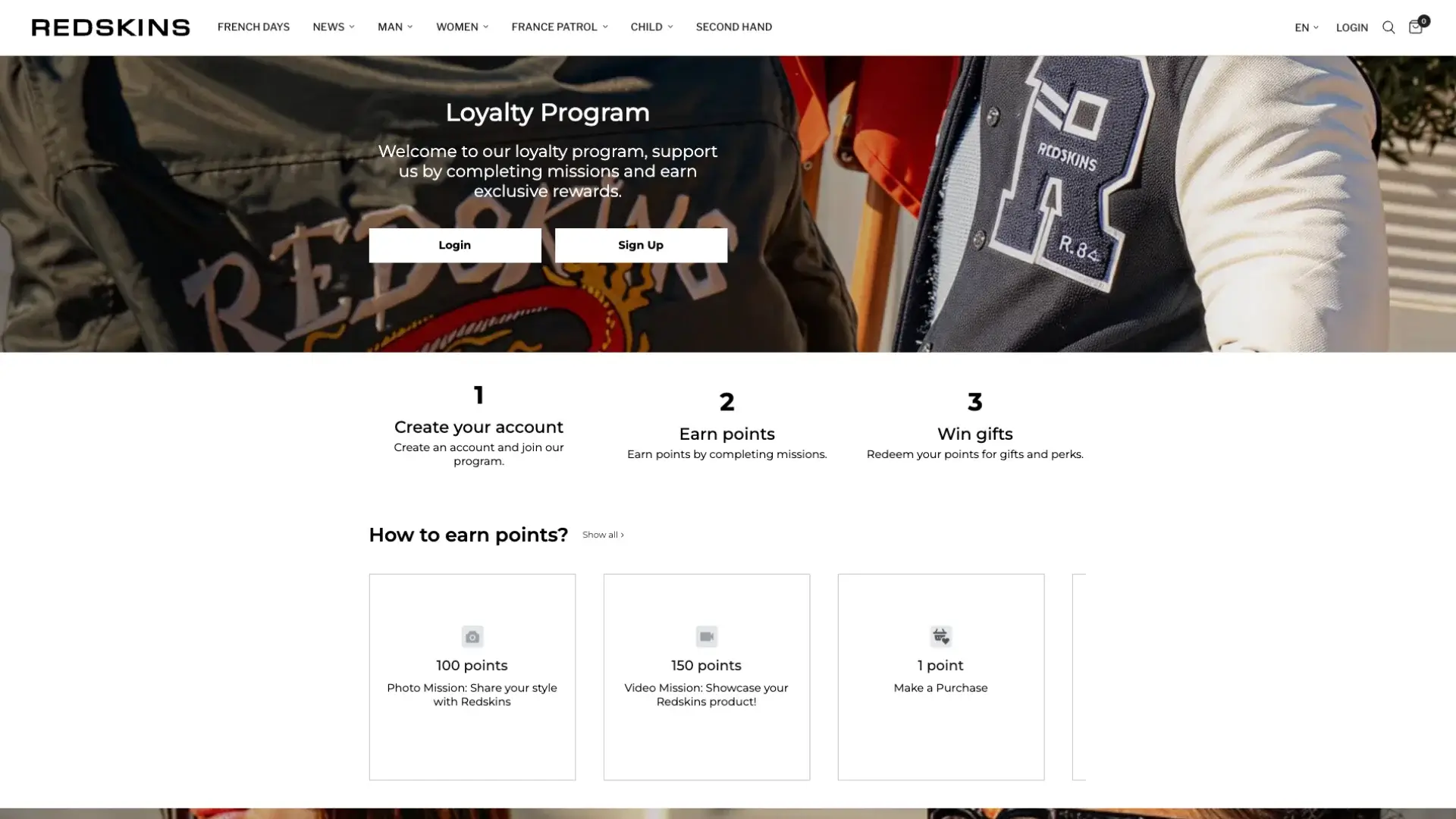
You can also turn customers already posting about you into brand ambassadors. Let’s check how Redskins do this. They used a loyalty program to encourage customers to create content for the brand through a points system. This was a creative, convincing way to recruit new creators and grow a team while also selling their product.
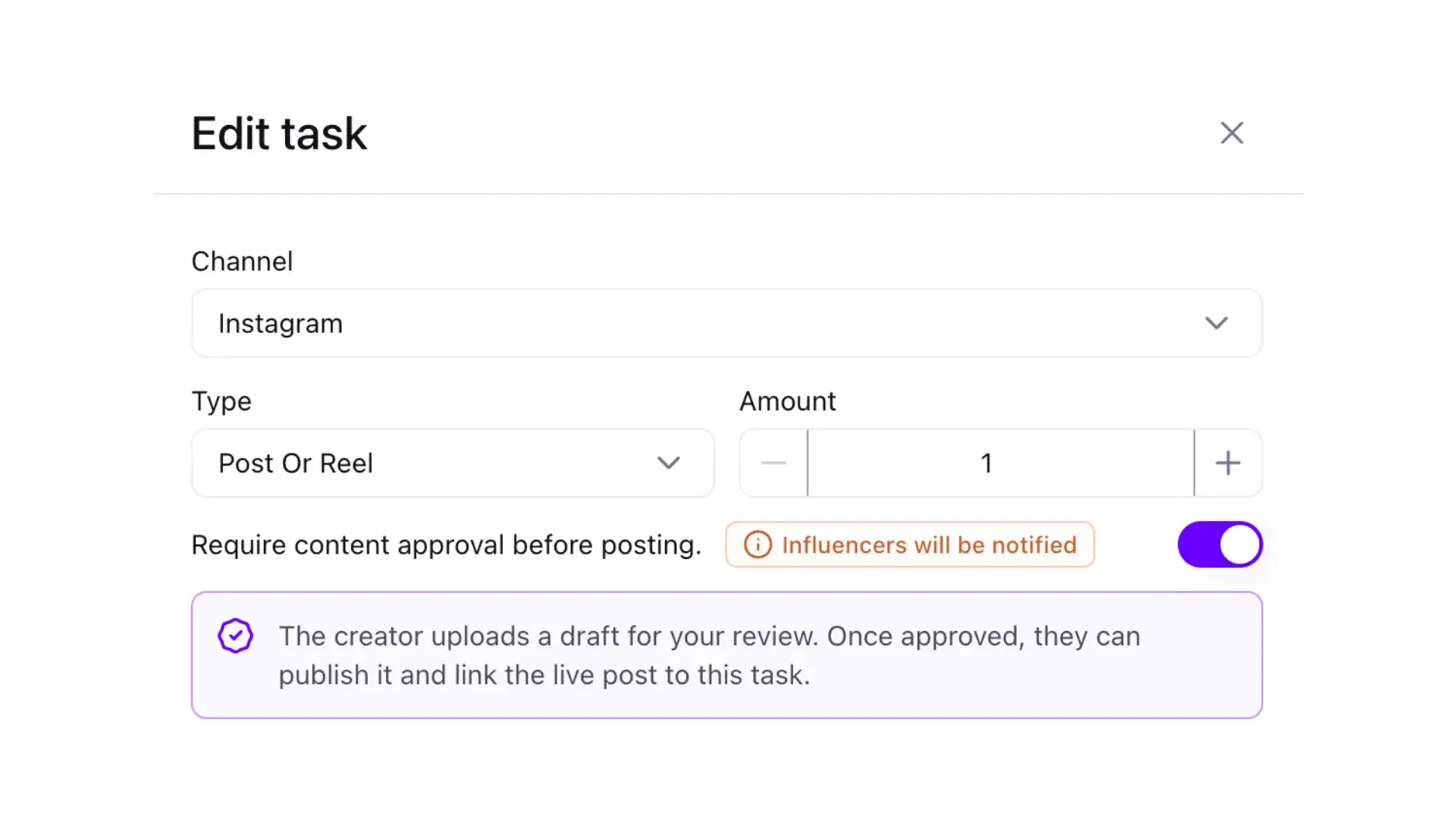
Turn on content approval and creators submit drafts instead of posting. You can leave feedback on the submission, request changes until fully satisfied, and then approve. It also acts as a compliance checkpoint where you can confirm the disclosure label and brand guidelines are correct while the post is still a draft.
By default, content created through a Flowbox campaign can be used for up to 24 months from upload, unless the brief sets different terms.
Another option within Flowbox is to request and store the media rights of content generated outside your brief. The rights tools let you request usage permission by comment or direct message and log the response.
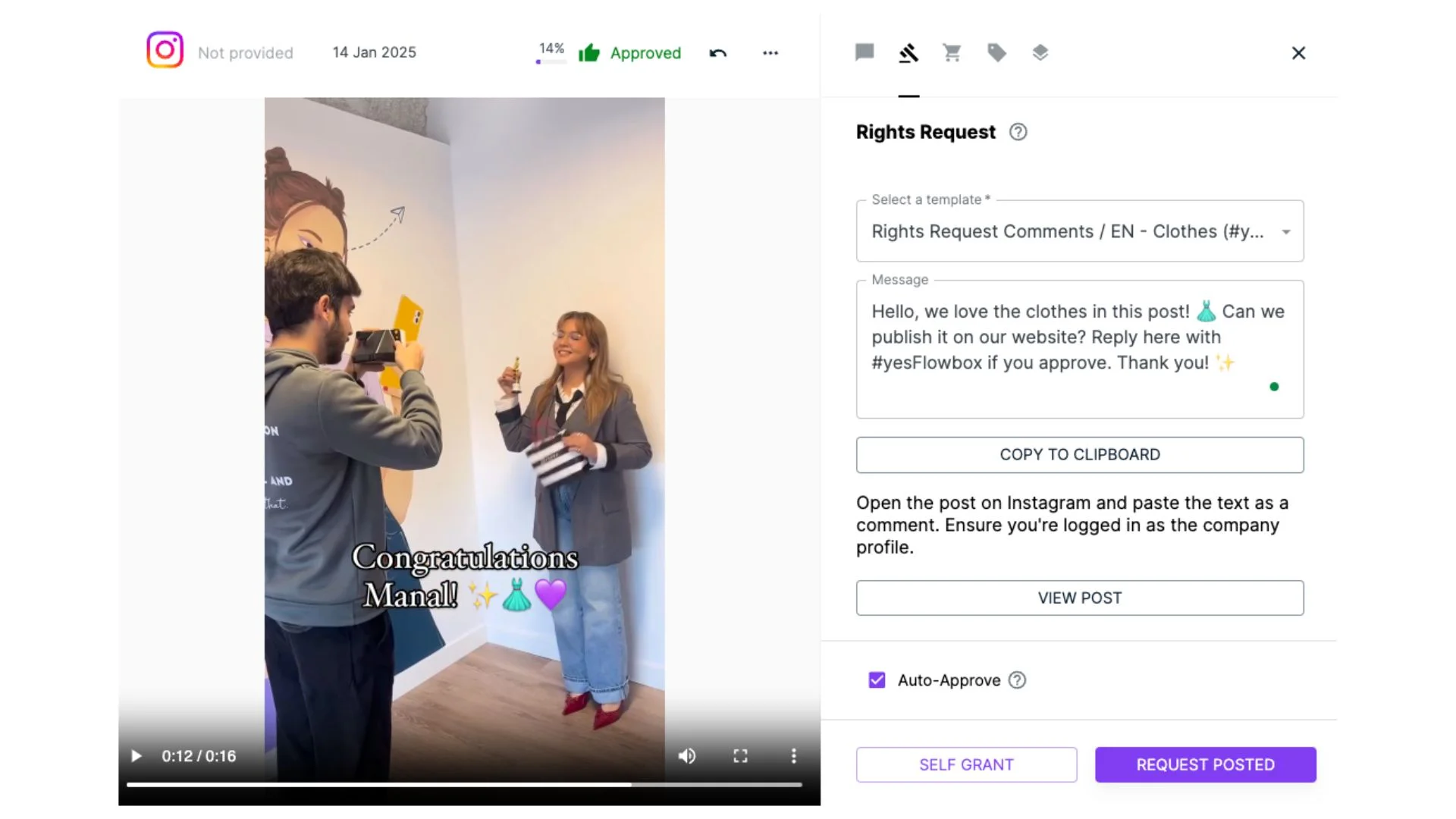
Once approved, the content runs across your channels: from shoppable galleries on your website to email and paid social.
The figures prove the payoff is real: product-page UGC drives a +5.0% median sales uplift in Flowbox’s 315-brand dataset, and G-Star saw an 18% lift in conversion rate and a 16% lift in ROAS when it ran UGC in dynamic product ads. One collaboration feeds all your channels, not just the creator’s audience.
One brief template doesn’t fit every collaboration. The emphasis shifts depending on what you are asking the creator to do. The collaboration types below map how campaigns are organised in Flowbox.
Choosing the right mix of collaboration types matters just as much as the brief. For a view of the tools available, see our round-up of the top influencer marketing platforms.
Disclosure is a legal requirement, and your brief should state the exact label and where it goes. Rules differ by market, so set this per campaign rather than once.
For the detail on rights and compliant content use, see our guide to influencer content licensing. Here is a shortened explanation for a brief understanding.
| Market | How to disclose | When to apply |
| EU | A clear advertising label at the start of the post | Applies to paid collaborations and gifted products or other benefits |
| UK | A clear “ad” label | Applied whenever there is a brand relationship, including gifts, not only paid posts |
| US | A clear and conspicuous disclosure | The FTC endorsement guides make the brand responsible for monitoring, so do not treat it as the creator’s problem alone |
In Flowbox, content approval lets you check the label is correct while the post is still a draft, before it has gone live. Rules evolve, so confirm current requirements with a legal advisor before you publish a brief.
One page. If a creator has to scroll past the first screen to find the deliverable, the brief is working against you. Put the essentials on one page and link out to anything longer, like full brand guidelines.
Sophie and Lucie used influencer collaboration guidelines to give creators a prior understanding of legal notice, how the campaign would work, and their compensation.
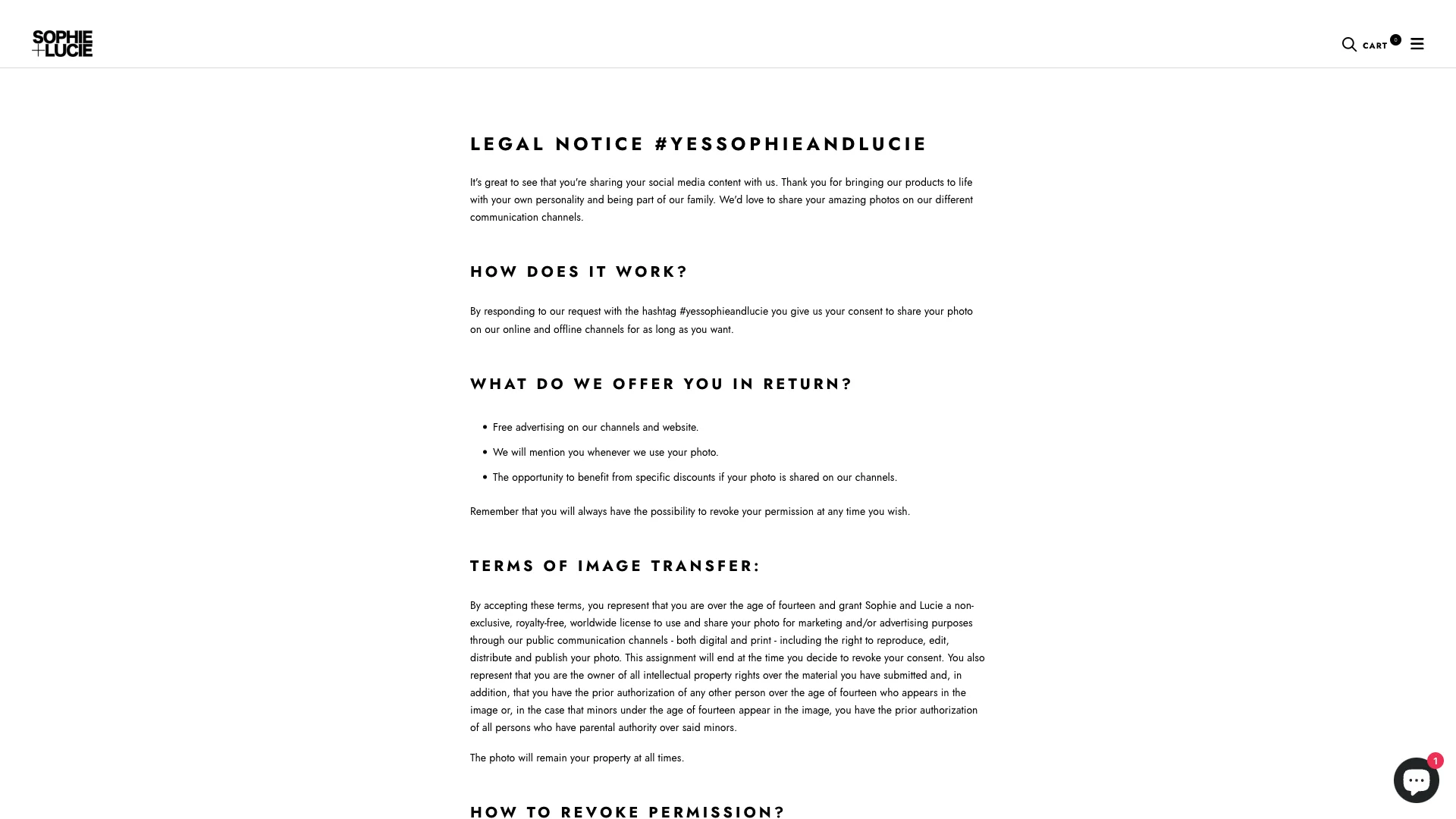
This is an effective way to inform creators before the brief, improve creator engagement, and ensure they understand your relationship requirements before they apply or generate content for your brand.
Most briefing problems come down to a handful of mistakes that can occur time and time again.
An exemplary influencer brief is concise and honest about what happens to the content afterwards. Cover the eight elements, match the emphasis to the collaboration type, state the disclosure and the rights, and keep it to a page.
Do that, and you spend less time on revisions and more time on content that works across your channels.
Ready to run briefing, rights and reuse in one place? Request a demo and see how brands turn creator collaborations into content that keeps working long after the post goes live.
An influencer brief is a short document that tells a creator what you want from a collaboration: the goal, the deliverables, the key messages, the rules, the disclosure label, and the usage rights. It guides the creative without scripting it.
Eight elements cover most campaigns: a brand snapshot, the goal and one primary KPI, deliverables with a deadline, key messages, do’s and don’ts, the disclosure requirement, content reuse and usage rights, the approval and revision process, and compensation with next steps.
No, an influencer brief is not legally binding. The brief directs the creative work and sets expectations for one campaign. The contract is the binding document and covers payment, exclusivity, usage rights and liability. Brands typically use both.
Measure a brief against the primary KPI you named in the campaign goal, such as reach, engagement, discount-code redemptions or sales from reused content. Flowbox platform data shows a campaign needs at least 10 weeks of data to measure properly, because Instagram Reels and TikTok posts keep earning impressions well after the first week.
Usage rights should last long enough to cover the content’s full performance lifespan. On Flowbox, content created through a campaign can be used by the brand for up to 24 months from upload by default, unless the brief specifies otherwise. Always confirm the exact rights scope in the brief and contract before the campaign starts. Our guide to user-generated content permission covers how to request and record this.